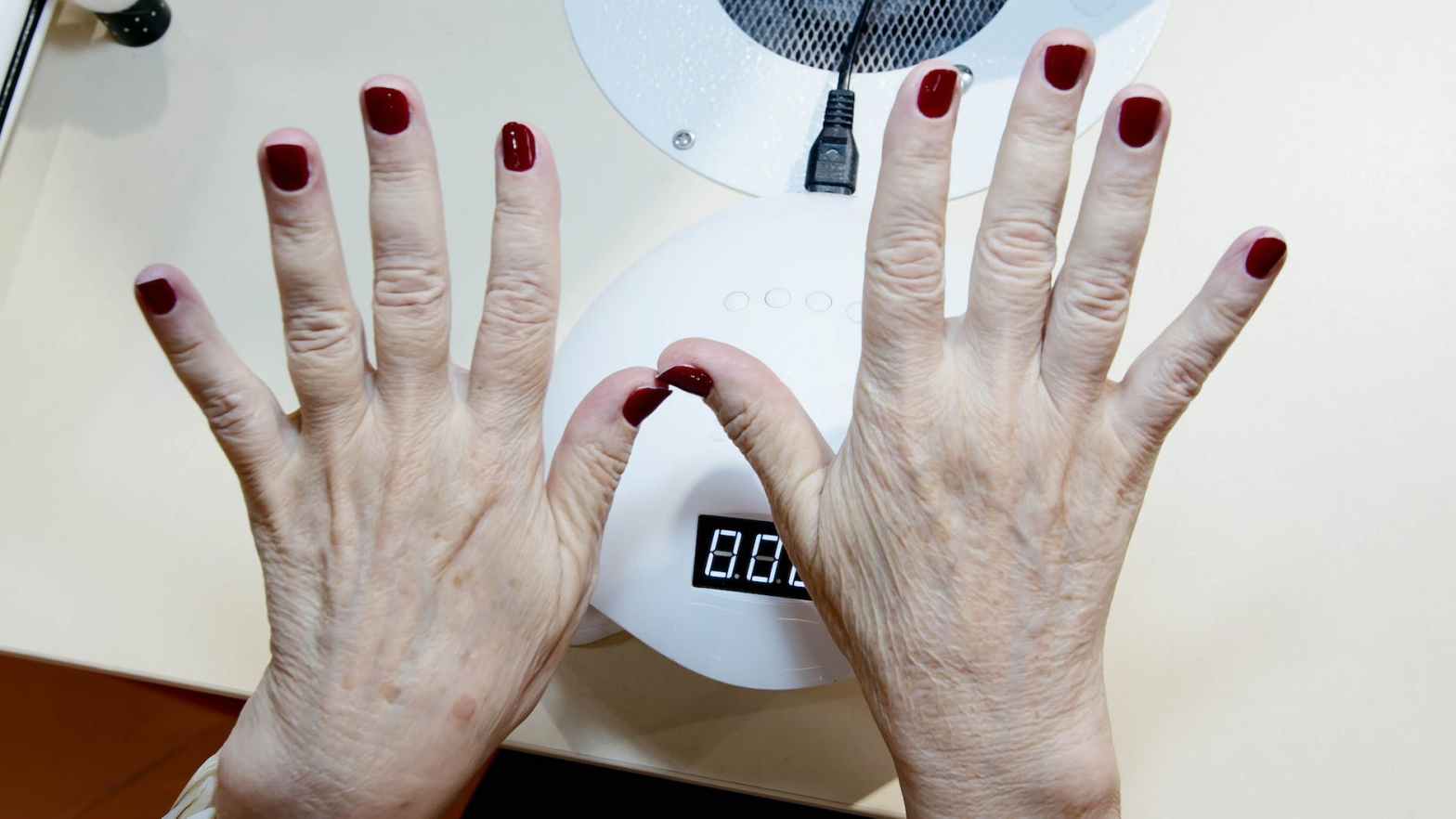
Everyone is familiar with the external effects of aging. It comes as no surprise that over time skin wrinkles and hair greys. But what are the common internal effects of aging? It’s rarely talked about. One day it dawns on you, that maybe an issue that you thought was unique to you, is actually something many people experience as they age: it’s normal. It’s a great relief to know that what you’re noticing in your body, is part of a common experience of aging. So, what is a common “wrinkle” that happens internally?*

Digestion: What’s Going On?!
What happens as we age?

“… as we grow older, our stomachs produce less acid. Without acid’s protection, hard-on-the-stomach medications, such as ibuprofen, may become harder to bear.
And just as the muscles throughout your body might tire more easily than they did in your 20s and 30s, the muscles in your gastrointestinal tract, including the esophagus and bowel, can slow down. This often leads to increased symptoms, such as acid reflux or constipation, respectively, over age 65.”**
How to stay healthy?

- Check that your medications aren’t causing digestive issues.
- Exercise regularly.
- Eat whole foods (grains, vegetables, fruit). Less fat. Less processed foods.
- Stay hydrated.
- Get regular health screenings.
- Manage your weight because it will reduce other health problems. More health problems often mean more medications that may upset your digestive system. ***
Keep Learning About Your Body

Adapting to how our bodies change is part of being alive. We’re always adjusting. Most folks are familiar with what to expect in this department until “adulthood.” Maybe it’s fear that stops us from looking at later adulthood changes? Maybe it’s our youth-focused culture? But to stay healthy and not freak out over something you think is unusual is to be forearmed. Information is empowering!
What “health issue” were you surprised to discover is a normal part of aging? Comment below.
*Please note that this article is not medical advice. Consult with a qualified medical professional regarding your health. Googling symptoms is not a substitute.
**https://www.michiganmedicine.org/health-lab/aging-and-digestive-health-6-factors-watch
***https://www.webmd.com/digestive-disorders/features/digestive-health-aging

 Retired, And Now What?
Toenails. I’m not not sure they are a serious health issue but I never thought they would be so hard to take care of. Their tending requires flexibly, sharp eyesight, and fine motor hand skills to manage the necessary heavy duty snippers – or a good savings account providing funds for salon pedicures.
LikeLiked by 1 person