“Let’s Go Girls!” is the empowering call from Shania Twain’s 1997 hit, Man, I Feel Like A Woman. Just by listening to it today, I feel like I can do anything. It’s a powerful rally cry coming from Shania. However, being addressed repeatedly as “girls” recently, felt like the complete opposite of this: demeaning, and uncomfortably dismissive.
We’ve Heard It All Before

How we’ve been addressed has changed throughout our lives according to our life situation and the culture in which we live. There is still a tendency for women my age and older to ignore and gloss over the way we’re addressed. It’s been a survival tactic. Historically, we put up with a lot of nasty heckling and demeaning comments as young women. It was common in the 70’s to receive a verbal assault whenever you passed a group of male construction workers. As we entered the workforce, it was also common to experience dismissive remarks from bosses and male co-workers. The main way to deal with it was to ignore it as much as possible. But times have changed and we’re not young women anymore. Now, the misogyny is more subtle and it’s sprinkled with ageism.

Our Experiences
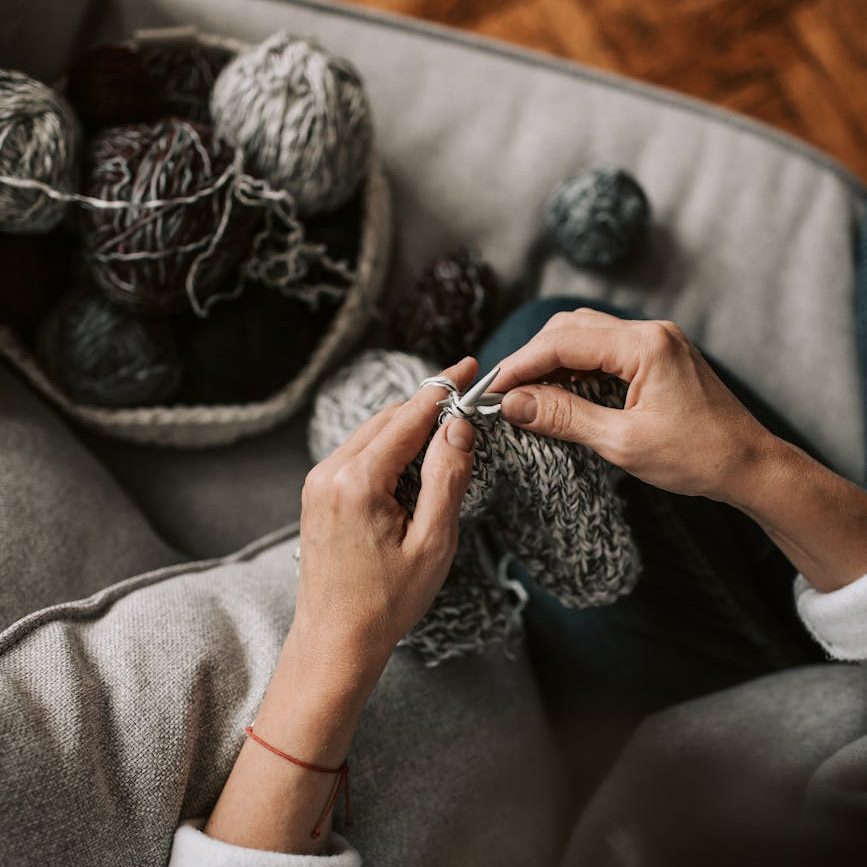
Recently, an older man repeatedly addressed the people in my library knitting group as, “girls,” and two things happened. Firstly, they didn’t react. They chose to ignore him. Secondly, when it was brought to light by a younger member after the man left, it became a heated topic of discussion. Did we like being called girls?

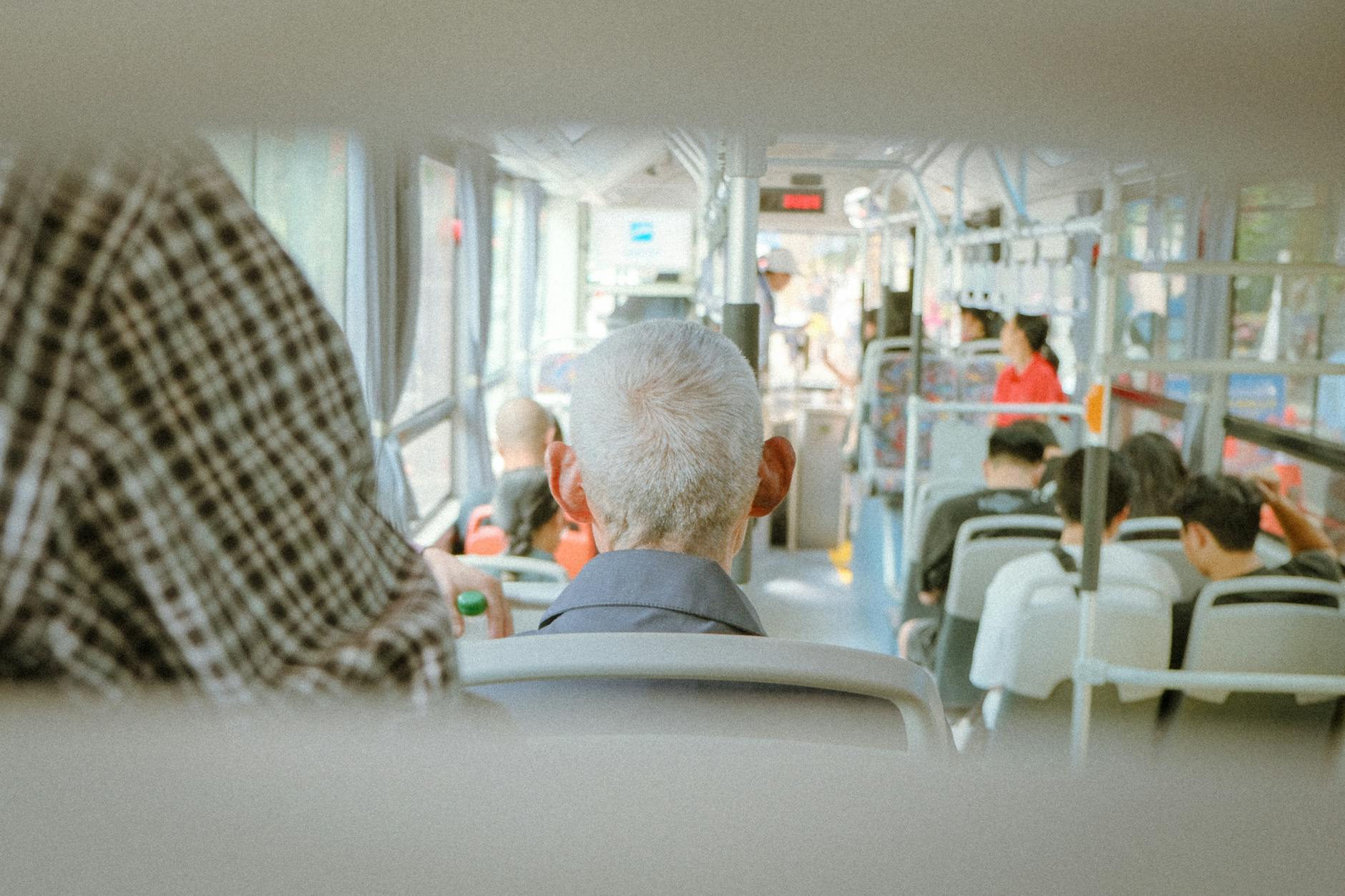
One woman chimed up that it was better than being called, “Young lady,” by a salesman in a store when she obviously wasn’t one. It’s patronizing. Another person recounted how her husband was addressed as, “Gramps” when someone offered him their seat on the bus. That did not sit well with him or her (pun intended). It seems that society is struggling with how to address us respectfully.
How To Move Forward
Certainly, asking someone how they prefer to be referred to is the best policy when you’re interacting with them regularly. However, there are many casual situations in life where you may not be seeing the person again and you have to make a snap decision. It does take a conscious effort to change habits and avoid using terms for others that you wouldn’t want others using with you. Thinking about it now, can prepare you for your next social encounter with a stranger.
I’m not a lady or your gal or a girl.
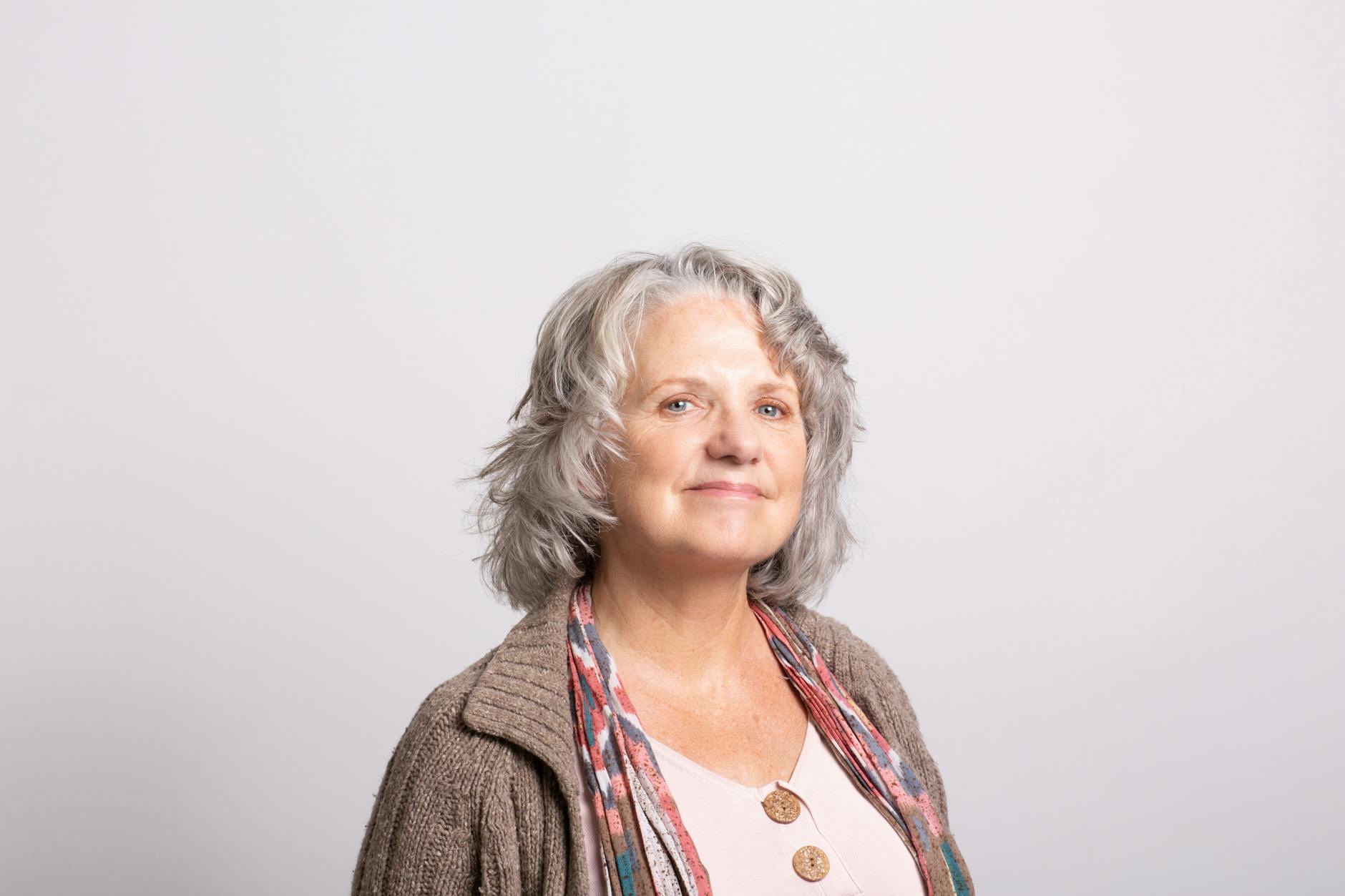
“Let’s not pretend that language doesn’t make a difference for women. Certainly, we don’t think of a girl running for Congress or winning the Nobel Prize. The preferred use of the terms “girl,” “lady,” or “gal” often reflects an unconscious wish to define women in narrow, non-threatening, or diminutive terms.”*
Addressing An Older Person
In an article with a great title, Don’t Call Me “Old”: Avoiding Ageism When Writing About Aging, the author suggests:
“Use “we” and “us” instead of “they” and “them” when appropriate. We are all aging, and many issues that affect older adults also affect younger populations.”**
Addressing A Group Of People
There are non-gendered and non-ageist ways to address a group and these include, “people,” “folks,” “everyone,” and “all.”
Or, in the case of the man who called us “girls,” he could’ve stuck with his original greeting when he arrived, and inquired if we were the “Knit Wits.” Yes. Yes, we are.
Do you have a story to tell about the way you’ve been addressed? Comment below.
* https://www.psychologytoday.com/ca/blog/the-dance-connection/202102/are-you-girl-lady-or-woman-why-language-matters
** https://www.nia.nih.gov/research/blog/2023/12/dont-call-me-old-avoiding-ageism-when-writing-about-aging

 Retired, And Now What?