
The state of recycling makes me sad and frustrated. Recently, while eating breakfast at a chain hotel, I watched as an employee emptied the recycling and garbage into the same bags. It happens all the time in hotels, the community and at work: recycling gets tossed out with the garbage after the consumer has dutifully thrown it in the recycling bin. What’s an environmentally-concerned person to do?
The Best Of Intentions

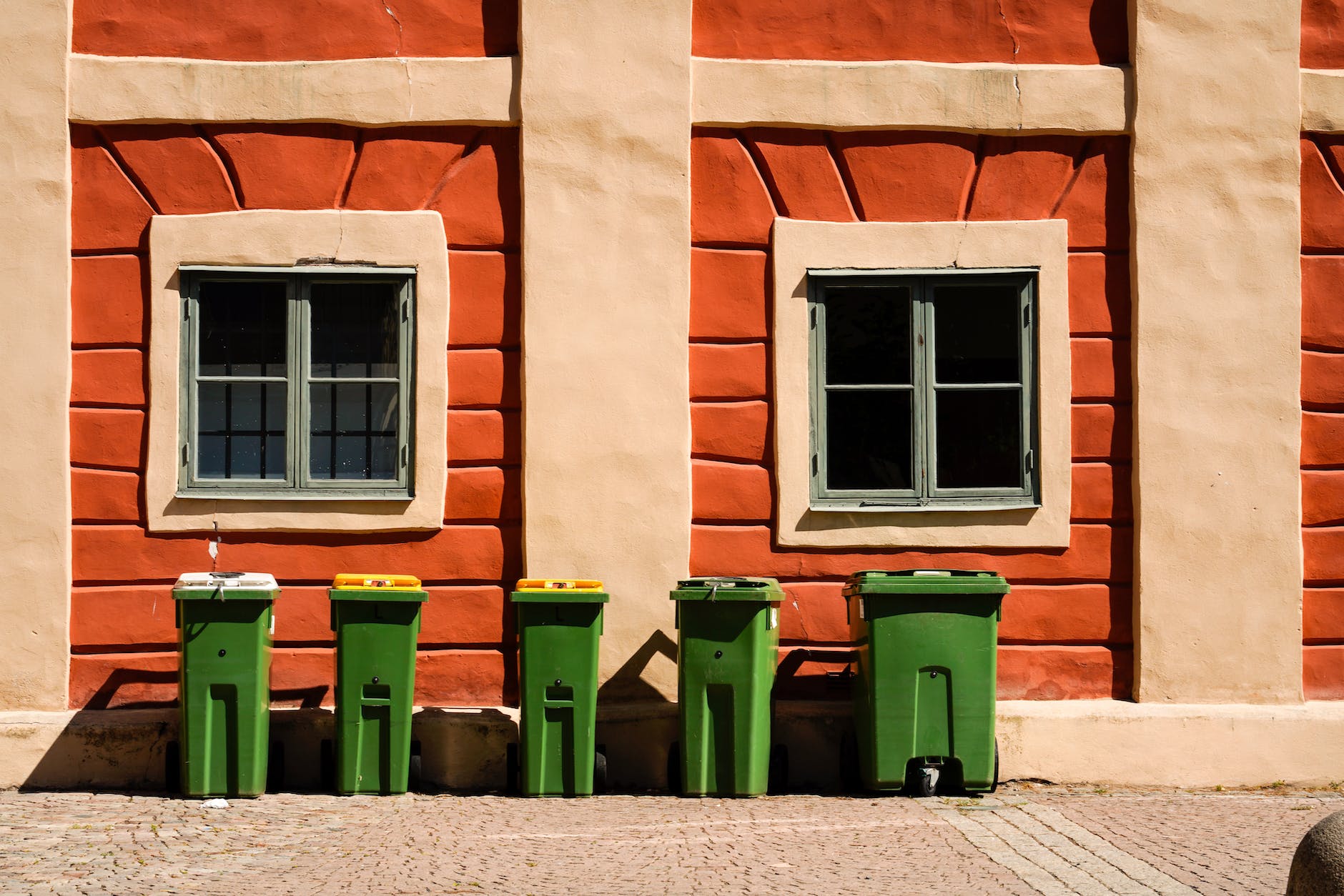
It’s taken decades to train everyone to use recycling bins properly. I remember singing, the “Reduce, Recycle and Reuse” song with my kindergarten classes in the nineties. We taught the students that it was important to reduce waste by recycling, and we dutifully showed them how to sort the garbage. In the neighbourhood, what started as simply tying up piles of old newspapers to sit next to your black garbage bag on the driveway, grew to a series of wheelie-bins on garbage day. By 2010, we had a green bin for organics, a huge one for recyclables and a tiny one for garbage. Recycling was serious and everyone in the neighbourhood seemed to support it.
Disillusionment Started

Several years later, I learned that the school was throwing all the recycling in with the garbage. There was no one to ensure that the recycling wasn’t contaminated with garbage. It was too time consuming for the short-staffed caretakers. It was a disheartening discovery that we didn’t share with the students.
Disillusionment Spread
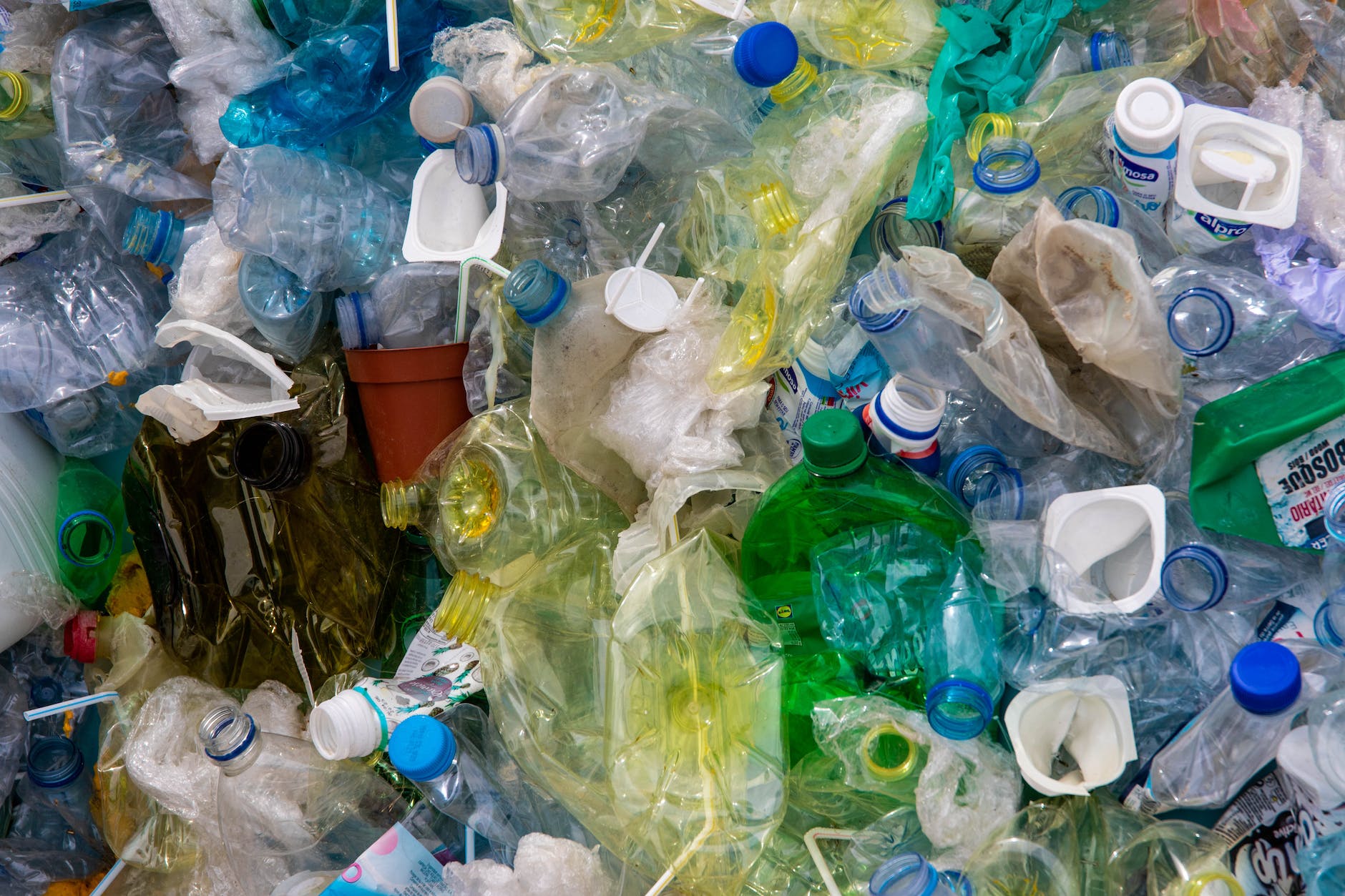
Gradually the students also learned the sad story of recycling. When I taught about materials in Grade 5 science, the students researched the life of common plastic items (forks, straws, plates, bags). They discovered that only a small fraction of plastics are actually recycled.
“In Canada, for example, only nine per cent of plastic waste is recycled. Mountains of material collected in blue bins is piling up in landfills, being incinerated, or adding to the swirling islands of plastic flotsam that are choking oceans and killing wildlife.” *
How do you not get discouraged with such statistics?
Feeling Manipulated By Oil Companies
Discovering that recycling was promoted to make consumers feel comfortable with purchasing more and more plastic items, is enraging.
But it’s [plastic] not valuable, and it never has been. And what’s more, the makers of plastic — the nation’s largest oil and gas companies — have known this all along, even as they spent millions of dollars telling the American public the opposite.”**
How Big Oil Misled The Public Into Believing Plastic Would Be Recycled, NPR Sept. 2020
Changing My Focus
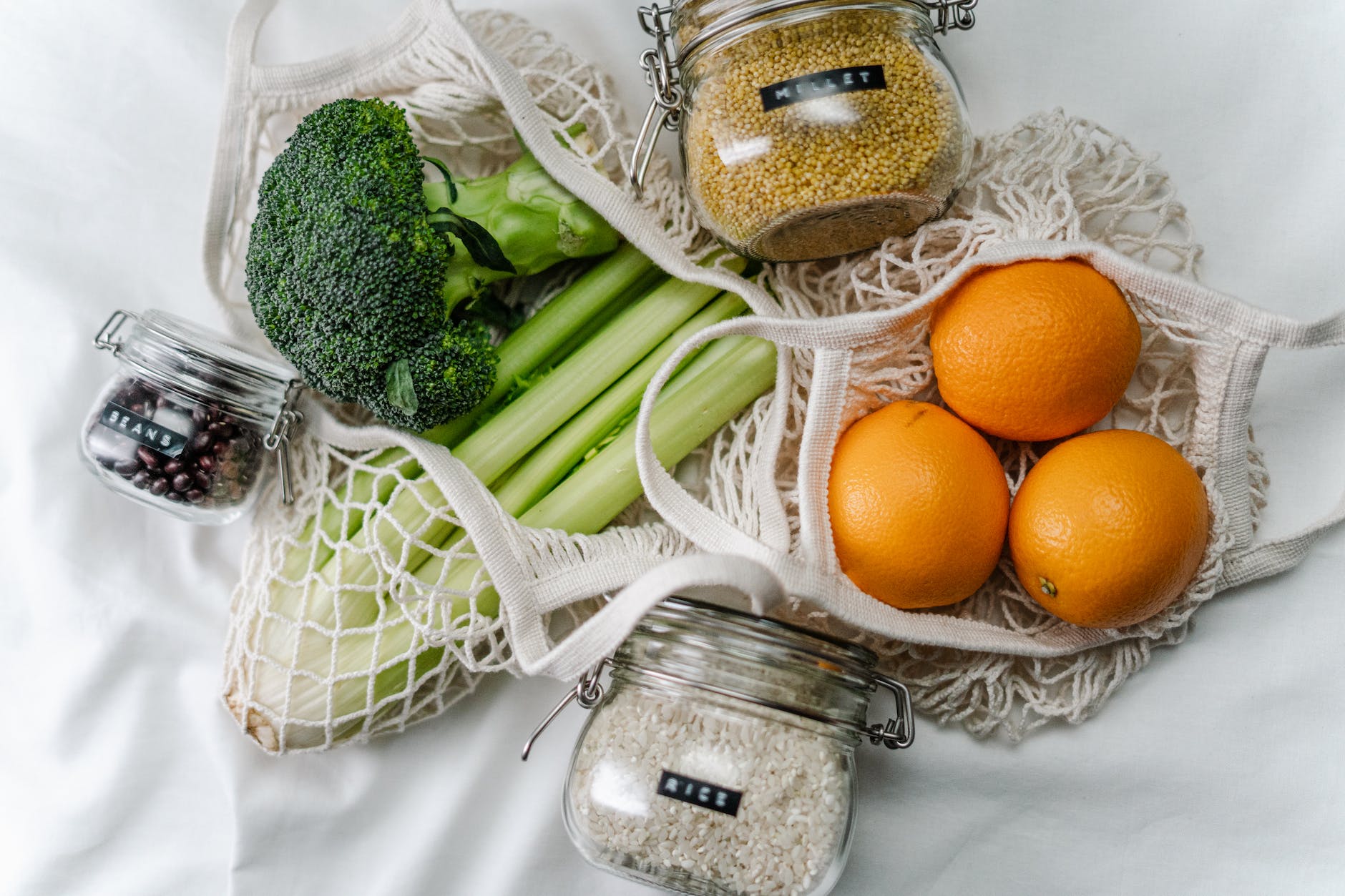
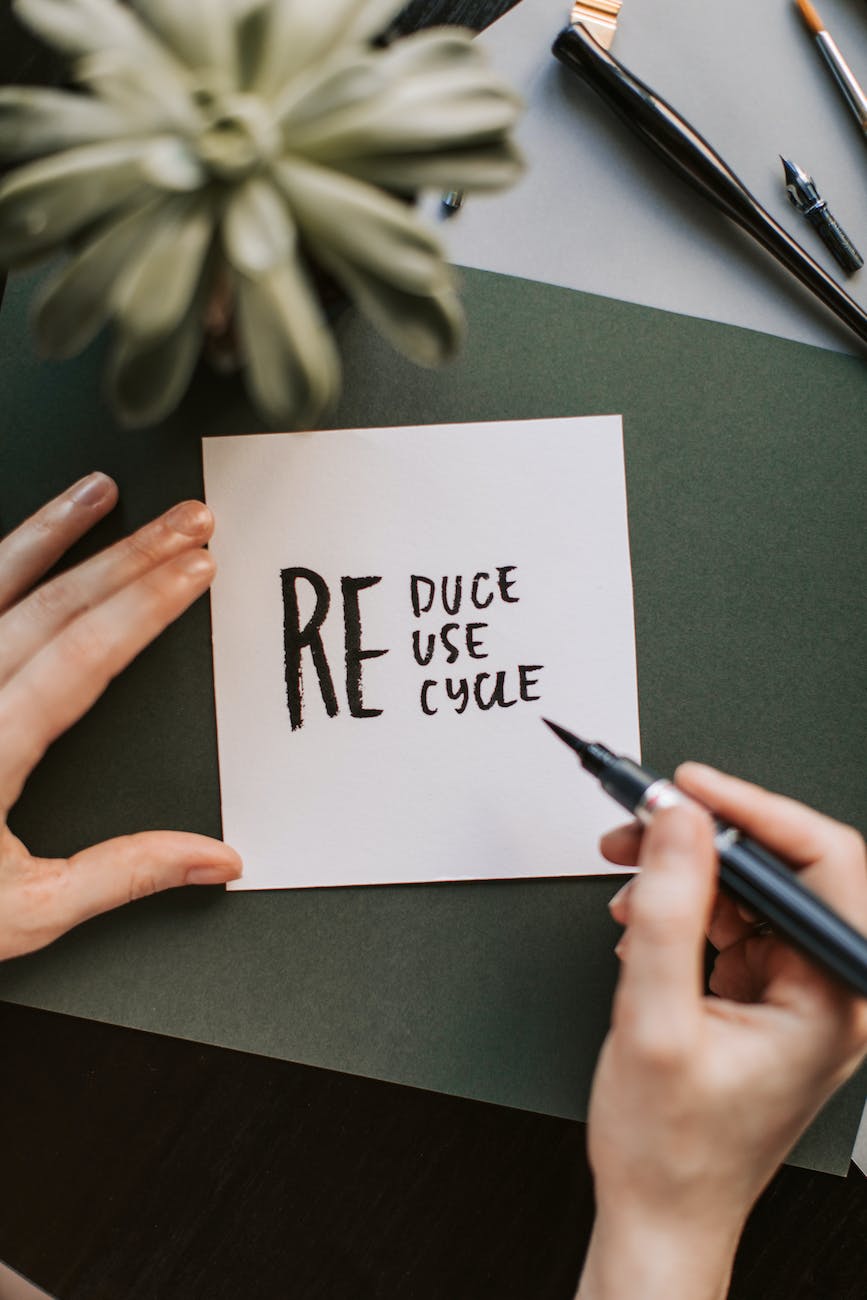
Now, I’m reminding myself of that song that I taught my kindergarten class years ago: Reduce, Recycle and Reuse. The most important part wasn’t the recycling after all. Reducing the amount of plastic that I consume is key. I’m doubling-down on using my reusable water bottle, finding products without plastic packaging and repurposing the plastic items that I already own. Remembering that plastic is often not recycled, is a good thing to keep in mind when I’m shopping. If I don’t buy it, it won’t become part of the problem.
Want to go a step further in reducing the plastic that you consume?
Do a plastic audit and then look for non-plastic alternatives.

Before you can cut back on plastic, it helps to understand how much you’re using. One weekend, environmental activist Shilpi Chhotray says, she put pen to paper and took an inventory of the plastic in her apartment, making a list of the various kinds: chip bags, condiment bottles, plastic wrap, etc. … Chhotray notes that you’re likely to find a lot of plastic in the kitchen and the bathroom.”***
Bamboo toothbrushes, straight razors, shampoo bars, and silk dental floss are some ways that you can reduce plastics in the bathroom. Compostable cellulose sponges have become a favourite in our kitchen.
What are some alternatives to plastic that you use in your home? Comment below.
***https://www.npr.org/2021/07/12/1015296355/zero-waste-single-use-plastic-trash-recycle

 Retired, And Now What?
Recommending a Canadian company that sells great hair products – bar shampoos, conditioners, and also regular soaps – “Notice”. – all wrapped in recycled paper and made with natural ingredients, no chemicals.
LikeLiked by 2 people