
In the information age, where the answers to every question are available with a quick search on my phone, what information is actually important enough to remember? I don’t think I value the answers to my questions as much any more. I’ll watch a show and wonder what other programmes the lead actor was in, Google the answer and then promptly forget it. It’s called the Google Effect.* I can confidently say that I’ve forgotten the majority of the information I’ve read on-line. It makes me feel inadequate to know that I’ve forgotten information that was important to me this morning, yesterday, last week…
The Satisfaction Of Digital Searches

It makes me wonder if I need to do information searches all the time. Stopping to scroll through my phone interrupts my day. Even if a topic is of passing interest, is it worth spending the time to Google the answer when I’ll promptly forget about it later? When I look for and find an answer, it gives me a momentary blip of satisfaction, particularly if the answer confirmed that my guess was correct. This is why we are addicted to looking.** Who hasn’t played that game with a friend or partner where you use Google to determine who was correct about a trivial fact? It feels great to get it correct.
The Dark Side Of Searching
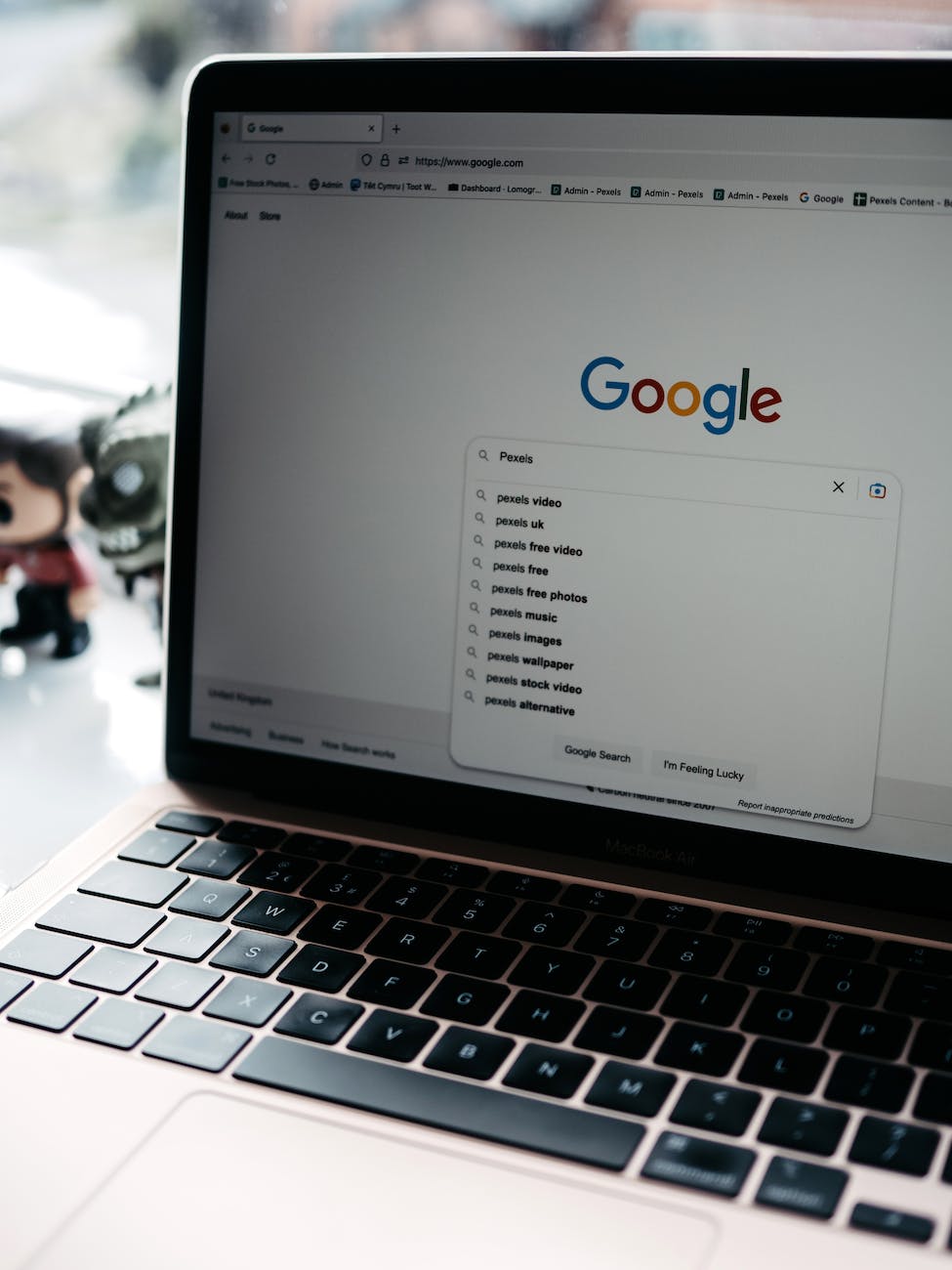
The effect of constantly searching and reading a vast array of information just because it’s available, could be the result of my anxiety. If the answer is out there, shouldn’t I know it? In the pre-internet era, I would ask a friend for the answer or if I was really interested, I would read a book about it. And there’s, the important part: my interest. The search for information in pre-internet times was powered by a genuine, deep interest in the topic, and not by the momentary discomfort because I didn’t know the answer.
The Benefit Of Books

A profound interest in the Beatles led me read numerous biographies about them in my teen years. I still remember a lot about them because I spend time exploring a topic of interest to me. My memory needs print on paper.
…people approach digital texts with a mindset suited to casual social media, and devote less mental effort than when they are reading print.”
Naomi S. Baron, Professor of Linguistics Emerita, American University, author of How We Read.***
Resist The Trivia
The next time I’m tempted to search on-line for a trivial answer, I will try to resist the dopamine hit of the googled response.** Finding the answer and then forgetting it, wastes my time. My brain can’t hold that much trivia. That’s what the internet is for!
If a topic genuinely interests me, I’ll be checking it out at the library.

How do you manage to stay in that space of not knowing the answer, when you could be googling it? Comment below.
*The Google effect, also known as digital amnesia, is the tendency to forget information that is readily available through search engines like Google. We do not commit this information to our memory because we know that this information is easy to access online. Click here to read more.
***https://bigthink.com/neuropsych/reading-memory/

 Retired, And Now What?