
I’ve recently become aware of the caretaker role and how much I have invested in being a caretaker for family and friends. I thought it was a good thing, but now I’m seeing it differently and realizing that caretaking has a harmful side that I never intended. As Maya Angelou said, “Do the best you can until you know better. Then, when you know better, do better.” I’m trying to do better.
Caretaker Behaviour
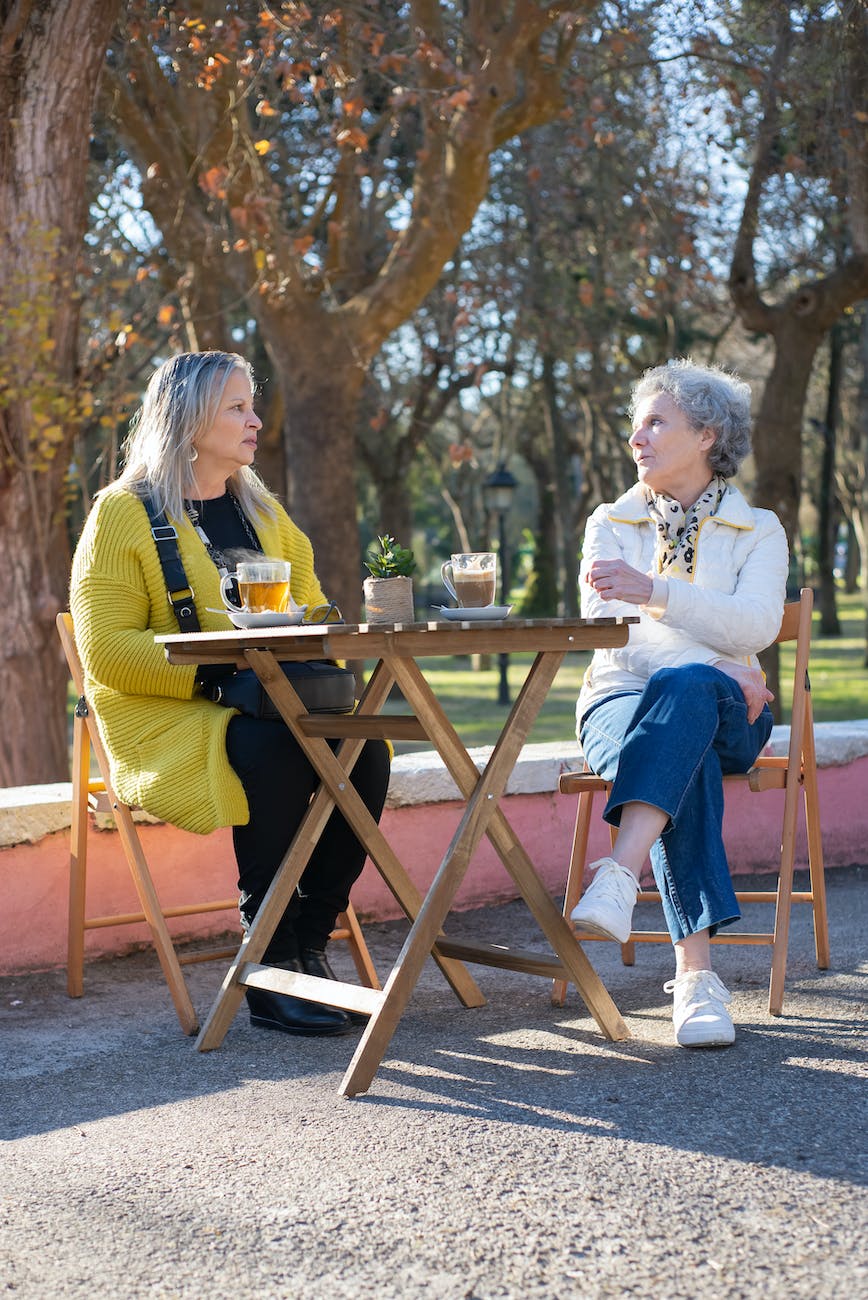
A friend tells me about a difficult situation that they’re dealing with, may be it’s a leaking roof, and my first reaction is to say, “Oh, that happened to me too!” I think I do this to try to establish a connection with my friend, to show them that I understand the difficulties that come with dealing with a leaking roof: the costly water damage, the struggle to find where the water is getting in and the challenge of searching for a contractor to fix it. The caretaker in me wants to offer advice about how I dealt with that situation. I really want to help my friend, but by doing this I’m actually achieving the opposite. I’m not helping.
Shifted The Focus To Me
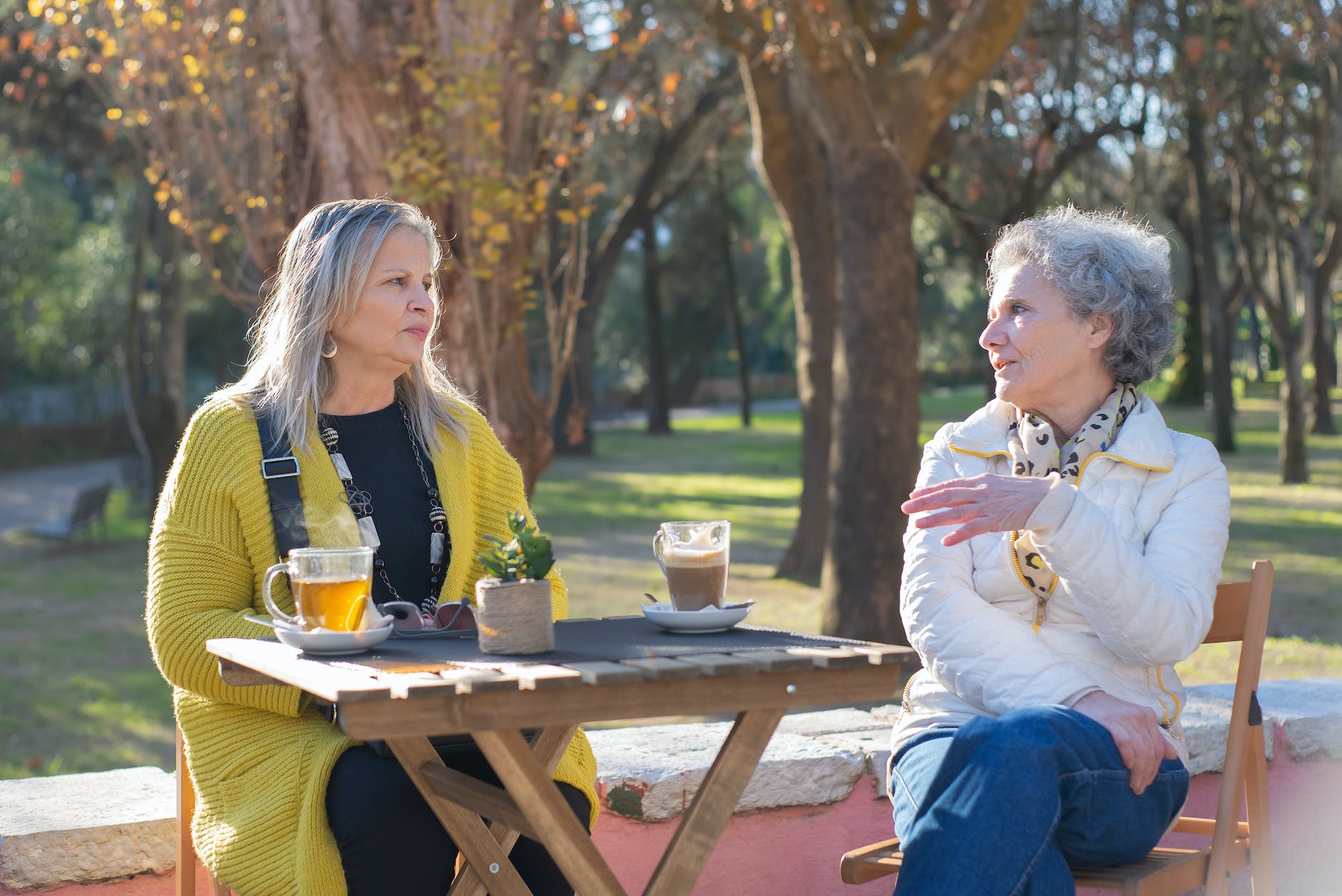
Suddenly, by making this connection, I’ve unwittingly re-directed the conversation from my friend’s leaky roof to me. It was never about me and my problems. Instead of truly listening to my friend’s situation, I’ve stopped supporting them.
No One Asked For My Help
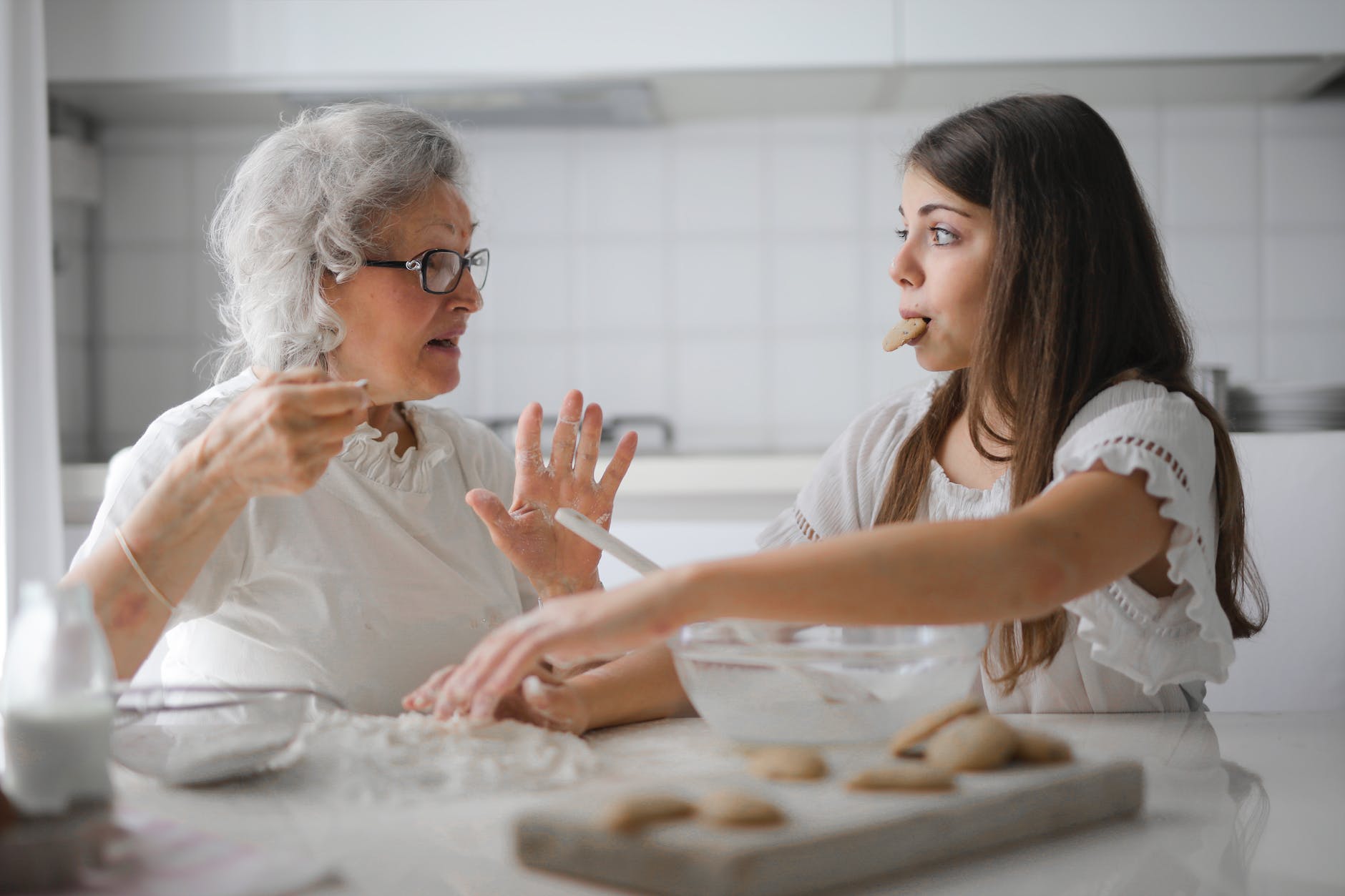
In addition, my friend didn’t ask for my advice. They expected me to listen and understand their situation but not to fix it. I’ve learned that caretaking behaviour can harm the relationship because it implies that the person can’t find their own solutions to the leaky roof. I am taking power away from my friend by zooming in with solutions.
Caretaking is actually a self-serving behavior. While not intending to, the caretaker is “taking” from the other individual to fulfill their need to be needed.”*
– When Caretaking Becomes an Unhealthy Equilibrium
Reasons For Caretaking Behaviours
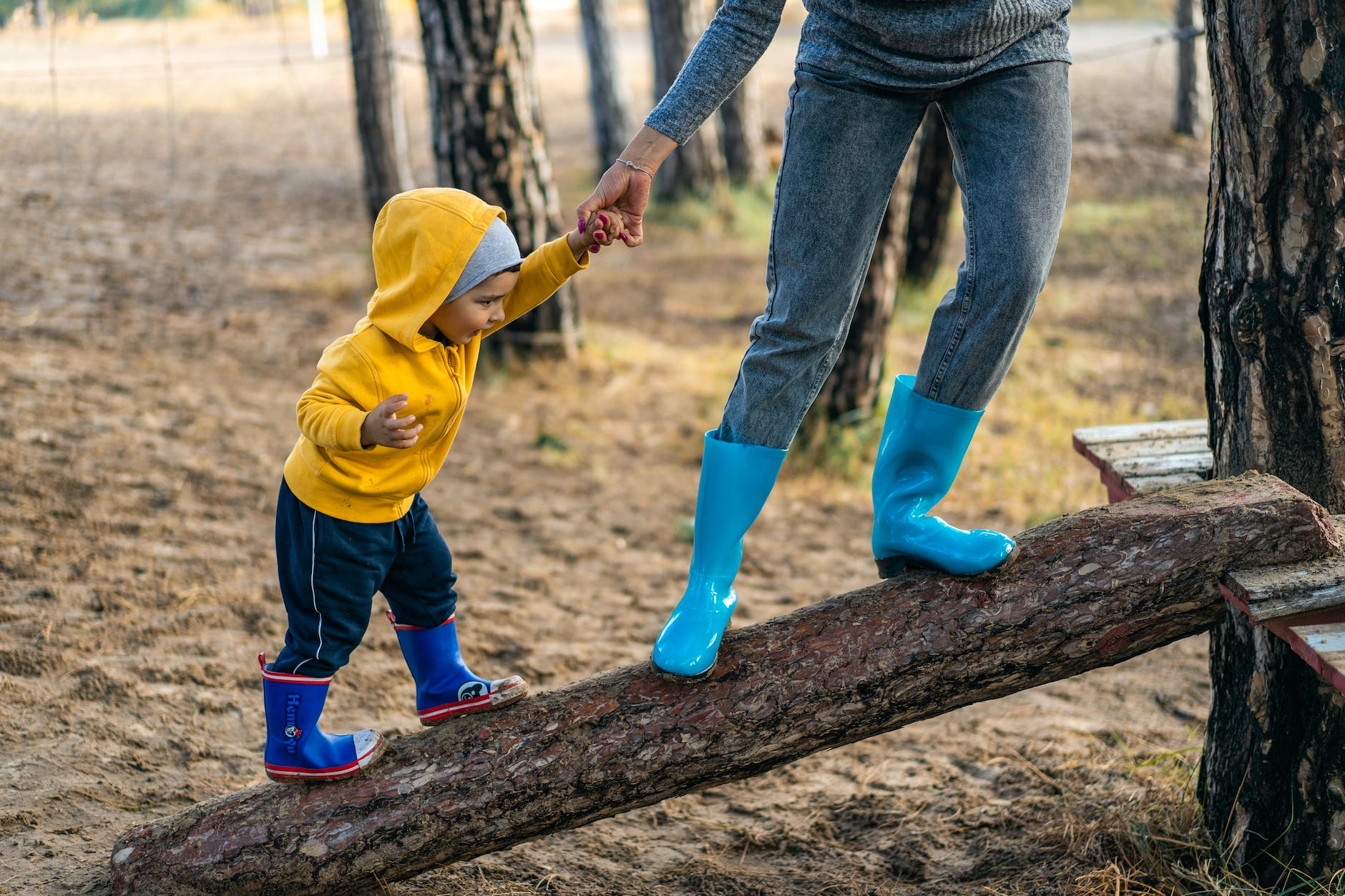
There are many reasons for caretaking behaviour and it can vary with the relationship or situation. After some self-reflection, I’ve realized that in family situations I’m caretaking because I feel some responsibility for the problems of others in my immediate family. While that may have been appropriate when my daughter was a child, it’s certainly not necessary these days. Ingrained parental behaviours are difficult to change. For my friend with the leaky roof, I need to remember these words from Dr Margalis Fjelstad:
It is not your job in life to make sure other people in the world are not disappointed or slightly uncomfortable.**

Time to Lose This Teacher Habit

Not to take responsibility for other people’s problems is a challenge for a former teacher like myself. Elementary teaching is all about solving problems for young students, finding answers to why they do what they do, and how to help them. Now that I am in a world of adults, the responsibility has been lifted from me. I’m actively reflecting on my caretaking habit and trying to make changes.
“When you feel the urge to swoop in and take control, try doing the opposite: step back and just see what happens. See how it feels for you and observe what happens with the other person.”*
Retiring from teaching is taking more un-learning than I thought it would.
What are some ways that you’ve unlearned caretaking behaviours? Comment below.
*Click here to see a list of reasons why you might be using caretaking behaviour.

 Retired, And Now What?