
I did it again. I put something in a safe place only to be unable to find it when I need it. It’s infuriating because I know that I didn’t throw it out! Ironically, I managed to keep it safe even from myself. Why does this happen and how can I stop myself from doing it again?
This Method Works Until It Doesn’t
Generally, I try to put things back where they normally live in my home. This is handy because it means that I don’t have to remember where something is each time I want to find it. The problems start when I clean out a closet and change where things live.

“This type of forgetting occurs when you don’t pay close enough attention. You forget where you just put your pen because you didn’t focus on where you put it in the first place. You were thinking of something else (or, perhaps, nothing in particular), so your brain didn’t encode the information securely.”*
Next time, I should probably spend a few minutes considering where I am relocating the items.
Stress Hinders Memory

Apart from not fully paying attention when I put something away for safe-keeping, absentmindedness can have several other causes including lack of sleep, medications, and underactive thyroid, stress and depression.** For me, anxiety explains why I lose things that are important such as receipts for large purchases or holiday gifts. The extra stress of keeping it safe stops my memory from kicking in.
Self-Compassion And Calm When Searching
Now that I know this, I will try to show more compassion towards myself instead of stomping through the house getting more and more annoyed with myself for putting that item in a “safe place.”

But how can I find those lost objects more easily?
Here are some top tips from Psychology Today***:
Step one: calm down, have confidence that you will find it and breathe.
Step two: do a systematic search starting with the most cluttered spots in your home (it might be hiding underneath something).
Step 3: check where you last used the object.
Step 4: tidy and clean while you search. You’ll feel good about accomplishing something with your time.
Step 5: ask if someone borrowed it, but try not to accuse someone of taking it.

Now that I’ve got the tips, I will go back to looking for my lost jewelry pliers. It’s good to know that all ages of people struggle with absentmindedly losing things.*** We’re in good company.
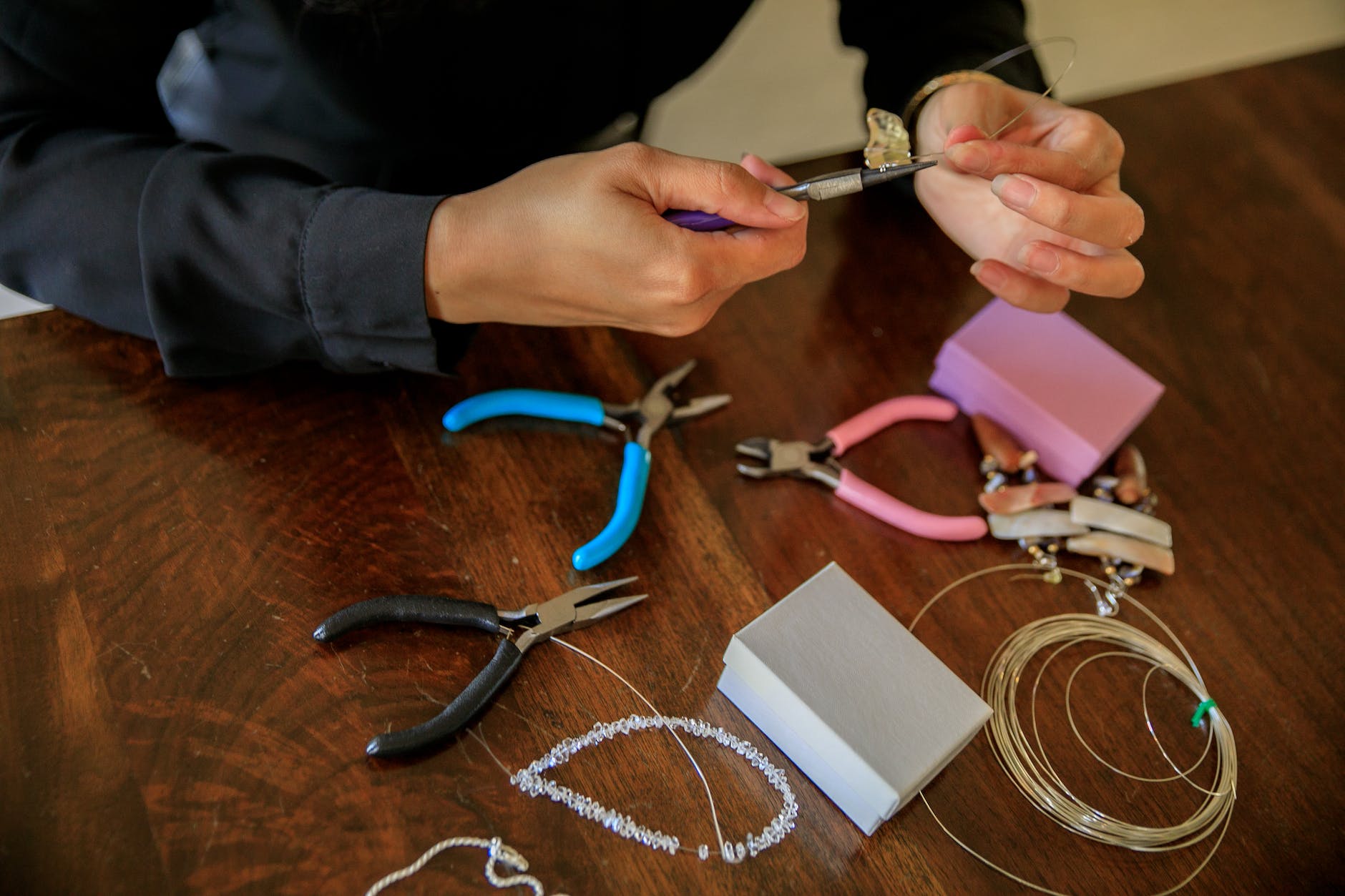
What was the last thing that you lost after putting it in a “safe place”? Comment below.
*https://www.health.harvard.edu/mind-and-mood/forgetfulness-7-types-of-normal-memory-problems
**https://www.health.harvard.edu/blog/7-common-causes-of-forgetfulness-201302225923
***https://www.psychologytoday.com/us/blog/open-gently/202212/how-to-find-your-lost-stuff

 Retired, And Now What?