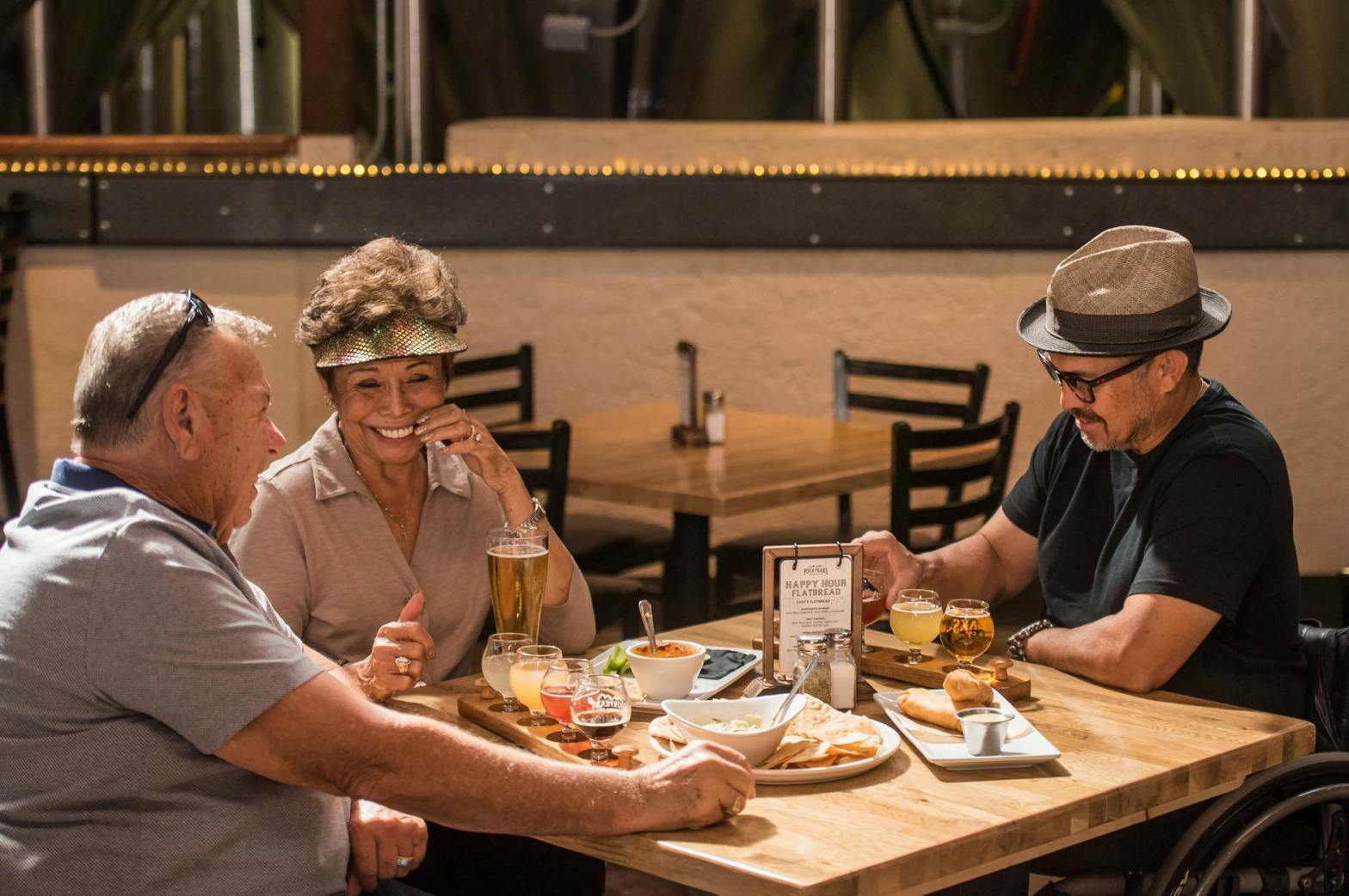
A friendly smile as I walked down the hall, and sharing frustrations with a co-worker while un-jamming the photocopier, are two of the daily interactions that disappeared when I retired. At the time they seemed fairly insignificant to my overall wellbeing. How could venting to a colleague about the construction that delayed our commute, support my mental health? Those friendly nods and shared experiences were part of my Second Space. It’s a space that no longer exists when you retire and that has an impact, especially if you don’t frequent Third Spaces either.

What Are All These Spaces?
American sociologist, Ray Oldenburg wrote about these spaces and their importance in society:
“Oldenburg calls one’s “first place” the home and the people the person lives with. The “second place” is the workplace—where people may actually spend most of their time. Third places, then, are “anchors” of community life and facilitate and foster broader, more creative interaction.”*
First Space: Home

Second Space: Work

Third Space: Community
Losing Your Second Space
When you retire you lose your Second Space, but you retain your First Space and the people that live there with you. For most people, that means only one other person. In Canada, the average household is 2.4 people. Without work colleagues, you’ve radically diminished the number of people that you interact with on a daily basis. Now, you only hear the points of view of the person(s) you live with. There’s no one else with whom to share a smile. When you retire, you lose a whole group of people that you used to socialize with in your Second Space. It can be isolating and lonely.
Folks who work from home also experience this isolation.** I recall it clearly when I was home on maternity leave. Having only one Space to exist in regularly has a negative effect on your mental health.***
Create A New Second Space

How can you remedy this situation? Create a Second Space. You can create “workplaces” even when you’re retired. These are spaces that you go to weekly or monthly that have a consistent group of people who are working towards a common goal. Volunteering to clean up the neighbourhood, for instance, creates a Second Space for you to exist in where you have interactions with colleagues as you work together. It has the benefit of being more flexible that a 9-5 job because volunteering allows you to choose the amount of time you want to commit to, and the dates that work for you. (For folks in the Toronto area check out Volunteer Toronto.)
Cultivate Third Spaces In Your Life
You can lean into Third Spaces at any time of life. These are places in the community that are free, or relatively cheap, and allow you to exist without assuming a title. You’re not “Eve’s Grandmother” or the “teacher” in a Third Space. You’re just you. There’s tremendous freedom in that. You meet a variety of different folks. You get to engage in a variety of activities that are fun and don’t connect to fulfilling a role.
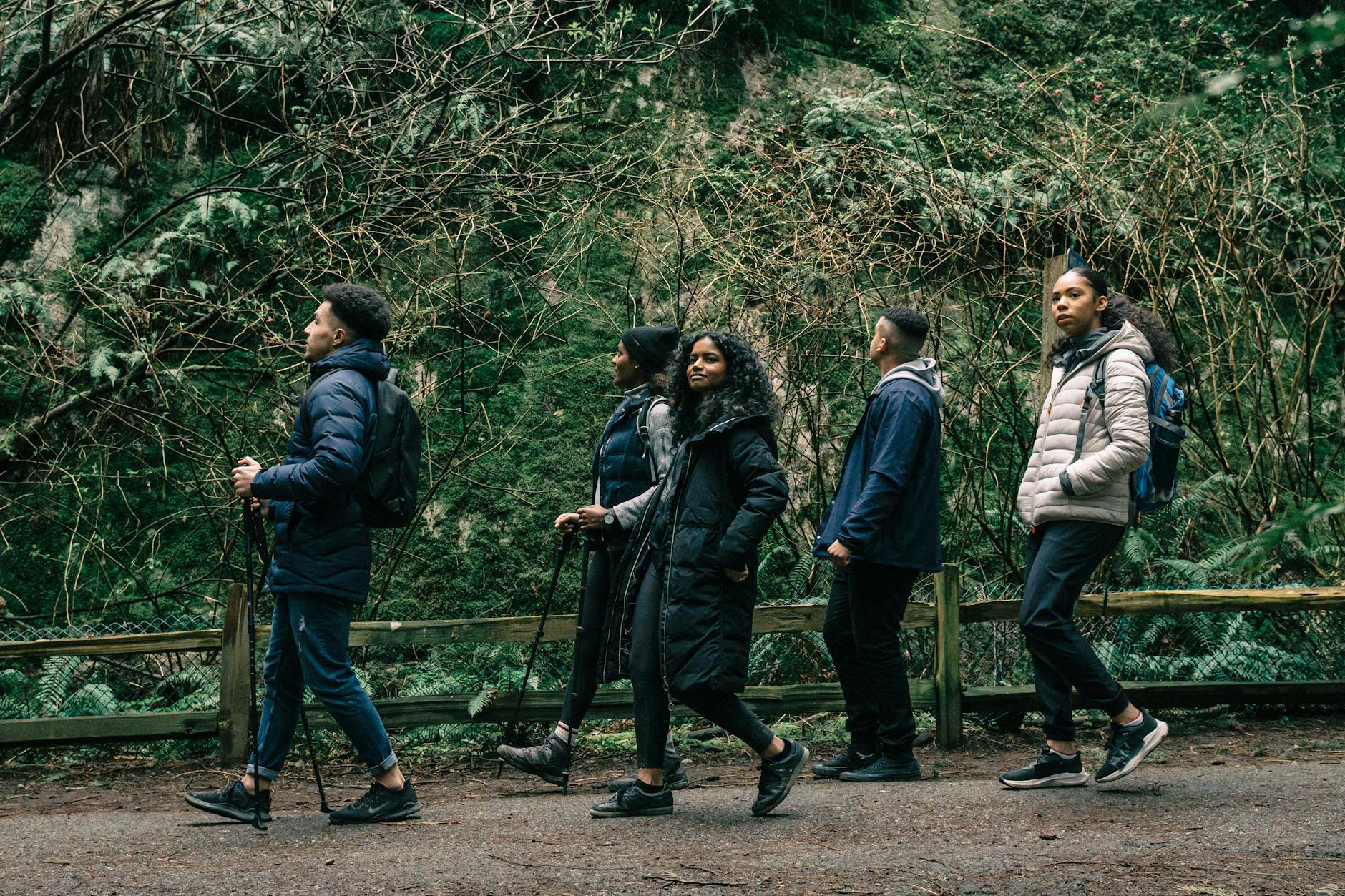
Instead of walking alone, find a free walking group in your community, or create one with a neighbour or two. Instead of watching the game alone on your TV, go to a local sports bar and watch it with others. I enjoy crocheting with a wonderful group of women every week at a local library. I have a whole new group of friends that I would never have met if I always sat at home to craft.

Some examples of Third Spaces in my community include:
- public libraries
- library programmes
- community centres
- parks and hiking trails
- walking groups
- coffee shops
- pubs (watch a game, join a trivia night)
- online trivia groups
- online crafting groups
- shared working spaces
- community gardens
- churches

Being aware of the Spaces that you exist in, and challenging yourself to expand them after you lose your Second Space, leads to less loneliness, less depression, more mental alertness, better physical health and improved quality of life.*** Who doesn’t want that?
What Third Spaces do you frequent? Have you tried creating a Second Space for yourself after retiring? Comment below.
*https://en.wikipedia.org/wiki/Ray_Oldenburg
**financialpost.com/fp-work/working-from-home-dark-side
***https://www.cdc.gov/social-connectedness/risk-factors/index.html

 Retired, And Now What?
1 comment