
For me, part of starting down a new path has been embracing a new version of me. The new me has tattoos. It took me a while to overcome the barriers that I’d acquired, for me to get my first tattoo three years ago. When I reflected on these obstacles I realized something surprising. Those barriers were very similar to the ones we overcame in the late 1970’s when my grandmother, mother and I got our ears pierced. We were concerned about the pain, whether it was appropriate, and how to get it done. After those barriers came down, it was much easier for my daughter to get her ears pieced 25 years later.

The Societal Obstacles: What Will People Think?
In the 1970’s, ear-piercing was considered a bit rebellious for our family. It went against what the women had done before. Amazingly, it was my grandmother, in her seventies at the time, who led the way. She was the first to get her ears pierced. Of course, once Grandma had her’s done there was nothing stopping Mom from agreeing to let me get mine done too. I think I was 13 at the time.
Like piercings, tattoos are permanent. And like pierced ears, you have to decide whether you’re worried about what others will think. That’s probably why I chose to wait until I’d finished teaching elementary school to get my first tattoo. I had an image of what I thought I should look like as a teacher. It was an image that I’d held for over 30 years and was out of date, but difficult to let go of.
The Physical Obstacles: Does It Hurt?
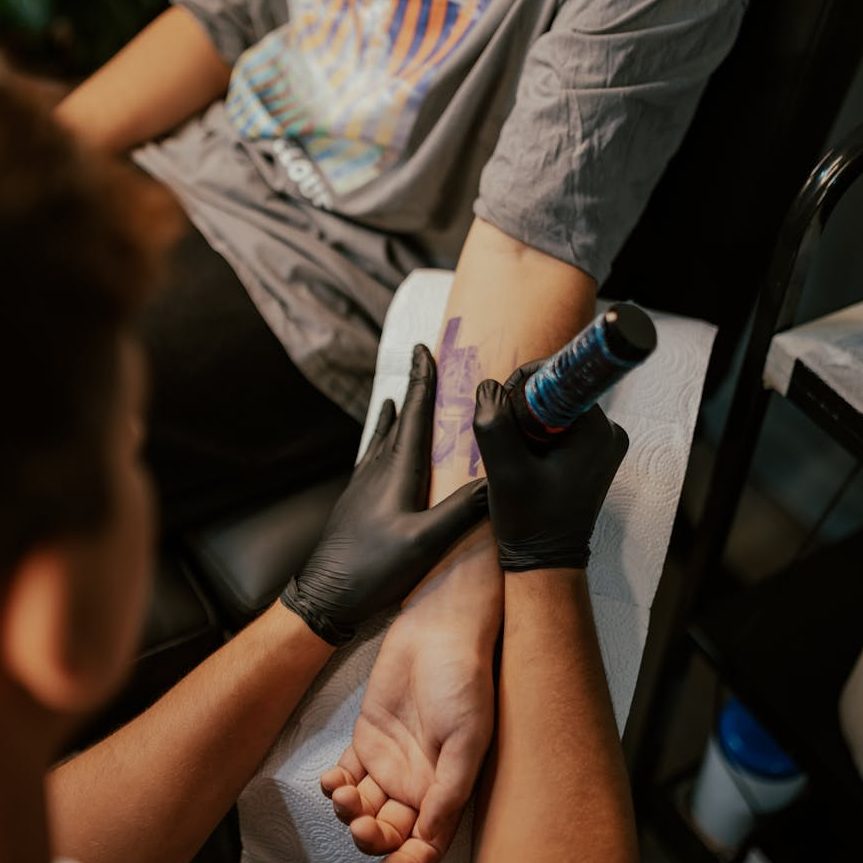
Not unlike getting your ears pierced, there is discomfort. Where ear piercing feels like getting your ear pinched very firmly and is over quickly, tattooing is like a steady scratching that lasts for the entire session. My recent small (4cm squared) detailed, fine line tattoo took only 40 minutes to create. After getting your ears pierced it’s common to have the area feel itchy, and you need to follow the aftercare instructions to prevent infection. The same can be said about a tattoo. The artist covered my tattoo with plastic “second skin” and gave me aftercare instructions. I know that it will itch a bit as it heals. The discomfort from the actually tattooing fades within an hour or so. The healing takes me about a week.
The Access Obstacles: Where Do I Go?

Just as you would ask a friend about a good hairstylist, ask people who have tattoos that you like, where they got them done. People love to talk about their tattoos! Many people have interesting stories and a meaning attached to each one. Where I live, tattoo establishments are inspected by the city and there is a list of what to expect on the city’s website.*
In my experience, this is the process for getting a tattoo:

- If you want the artist to create a specific design for you, you need to find an artist who is open to booking new clients. Popular tattoo artists get busy and I’ve known some folks who’ve had to wait 6 months or more for an artist to open their bookings.
- Contact the artist. Explain the design that you’d like and include rough sketches or photos for reference. Make sure that the type of design you want matches with the style that the artist generally does. The artist will get back to you and let you know if they can accommodate you.
- It’s usual to pay a deposit before you see the first rough sketch from your tattoo artist. (This is their artwork after all.***) You can then email or text back and forth until the design is adjusted to the way you’d like. The artist will give you an approximate price range for your tattoo.
- On the day of your tattoo, there will be ample opportunity for making changes and adjustments to the design. The tattoo artist will insist that you eat before arriving and you can usually bring water and snacks with you. You will be asked to sign all the paperwork when you arrive.
- Some artists prefer cash over paying by credit. You won’t know the exact cost until after your tattoo is complete, but they will give you a price range when you book. Tip: Don’t forget to tip your tattoo artist well.
Buyer’s Remorse: What if I don’t like it later?
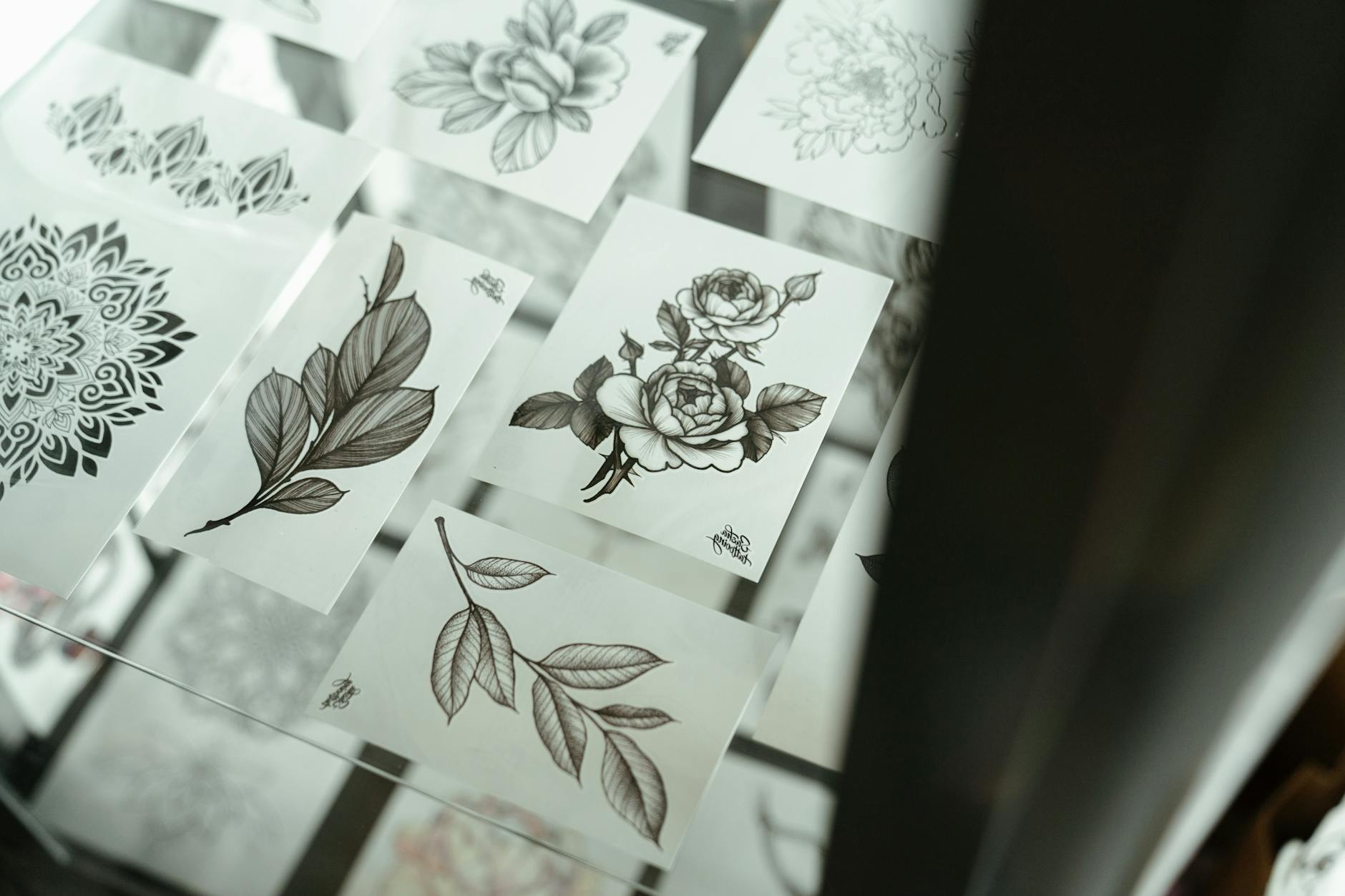
It might happen that you regret the tattoo later, but it’s unlikely if you’ve given it careful consideration. I’ve taken months to mull over the image and placement of a tattoo. Even for a “flash sale”* purchase, I thought about it for a week. Because the tattoo artist is concerned with making sure that you like your tattoo, there is a lot of slow negotiation and consideration before the tattooing begins.


The artist will discuss the design with you before you appointment and again when you arrive. They print different size options on paper and let you put them up against your body in the spot that you’ve chosen. You can adjust the angle. When you’re happy with the size, they make a purple transfer from the design and apply it to your prepared skin. You can look at it in the mirror and make any adjustments. When you’re finally happy with the placement, the artist uses the lines on the transfer to guide them as they create your tattoo.

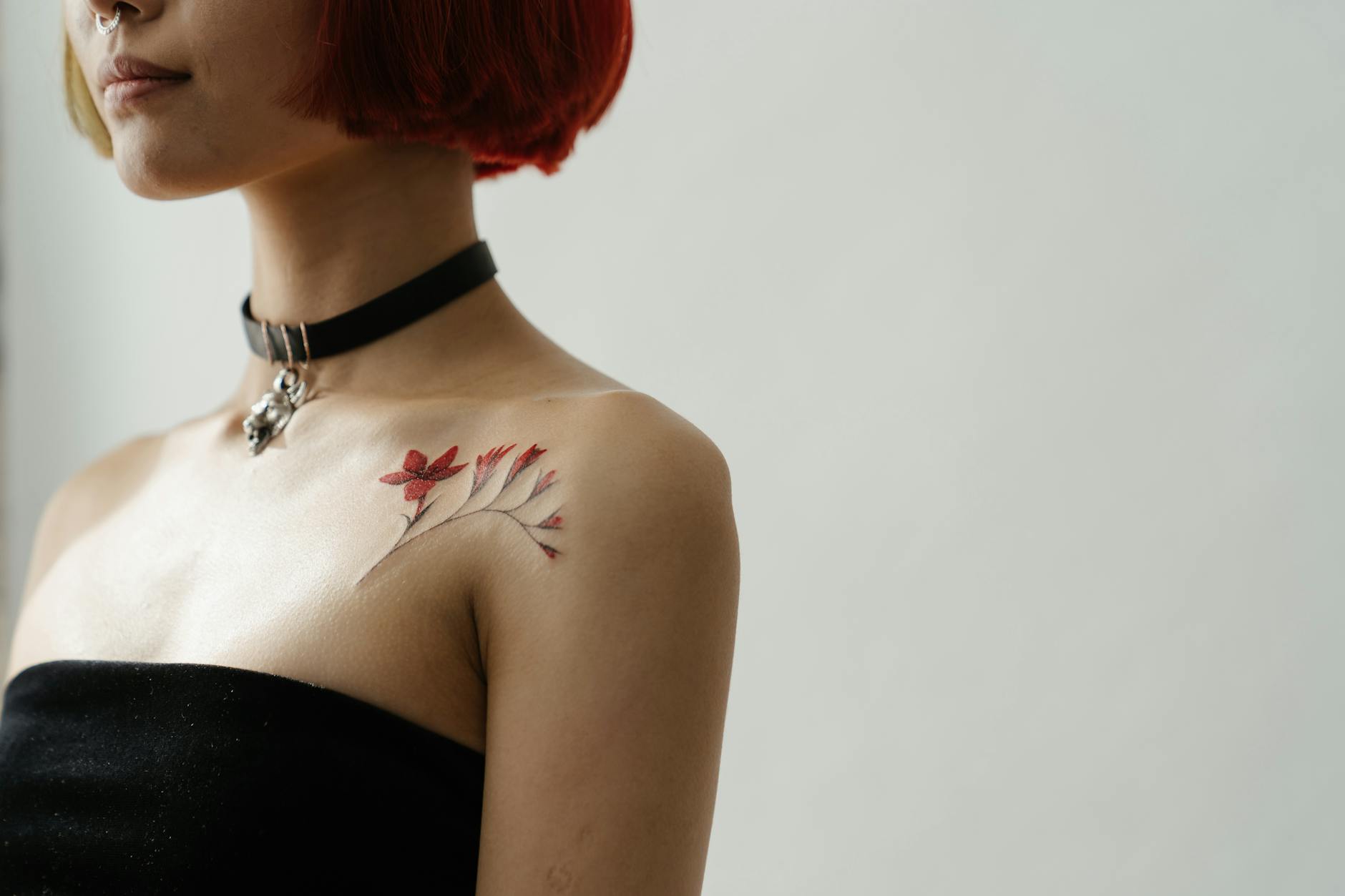
What Happens After Your First Tattoo?
What I’ve noticed is that once I got my first tattoo, the barriers collapsed. I was no longer concerned about the pain, what others thought, or how to get it done. They say that getting tattoos is a bit addictive and I would have to agree. Warning: if you can overcome these barriers, you may be starting a new world of self-expression.

* City of Toronto tattoo information.
**A flash sale is when a tattoo artist designs tattoos and has them available for customers to choose from and purchase.
***Information about copyrights and your tattoo.
An interesting article about the history of women and tattoos.https://www.storiesandink.com/blogs/journal/women-tattoos-history

 Retired, And Now What?
Wh
LikeLike