
Society may feel that you are older. It was a rude awakening to have my bank automatically change the name of my account to “seniors’,” the month that I turned 60. Suddenly my age meant that I was being perceived as a senior by a major institution. I thought I’d have at least 5 more years grace! But, what was most surprising was my own negative reaction to being perceived as a “senior.”

Gradually Dismantling Ageism
That negativity comes from the disconnect between how I feel about my age, and how I feel about being perceived as a senior. I’m happy to have lived to this age and I don’t feel that it’s old. It’s midlife! I’ll happily acknowledge my age to others because it’s important for younger folks to build a healthy image of what 60 is like. I know that I’m battling against traditional perceptions of 60 year olds.
Living With Ageism
But, I also carry those ageist stereotypes in my head. I’ve grown up with them and they have inadvertently become part of my beliefs. I have to actively work at challenging them when I find myself falling victim to ageist thoughts.

“Some examples would be using phrases such as:
You’re too experienced or over the hill
Can’t teach an old dog new tricks
Grumpy old man/ Little old lady
Or assuming that young people are computer geniuses and older people are technologically inept. We can actually be ageist against ourselves, such as thinking you’re not able to wear certain clothes, do certain activities, or having a “senior moment”.“*
To my ageist self, “senior” meant a loss of relevance, but now that I’m here, I don’t feel that’s fair or true.
Supporting Midlifers Against Ageist Ideas
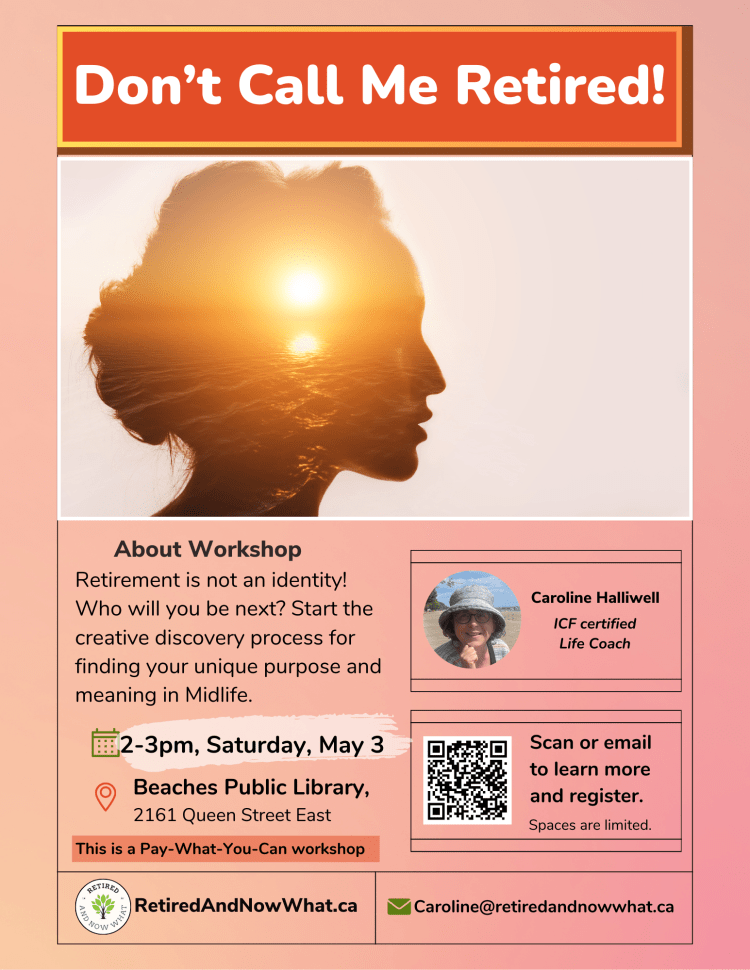
It’s one of the main reasons that I do the work that I do! Staying connected to our relevance in the face of societal stereotypes gets harder as we pass these milestones of age. We’re fighting our own perceptions of being labelled “old.” Supporting others in the face of this pressure is important work. We have a lot to give and bright futures ahead of us, but it can feel otherwise without folks in your corner coaching you and cheering you on.
How To Support Yourself?
It’s a great reason to seek out, and regularly hang out, with people who are older than you. There’s nothing more empowering than the perspectives of those older than you who are thriving. As with any prejudice, it becomes harder to hold onto negative beliefs about a group when you meet people close-up as individuals. If at first you’re hesitant to join a group with many members who older than yourself, consider whether you are biased towards olders. It would be unusual for you not to be, if you’ve grown up in western society. Give yourself grace. It takes time and effort to dismantle long-held beliefs.

Question Your Perceptions Of Old Age
Over the last 50 years, people have gradually lived longer and healthier lives. As a result, researchers at the University of Berlin discovered that we perceive old age to begin later and later in life.
“It is unclear to what extent the trend towards postponing old age reflects a trend towards more positive views on older people and aging, or rather the opposite—perhaps the onset of old age is postponed because people consider being old to be an undesirable state,” Wettstein said.**
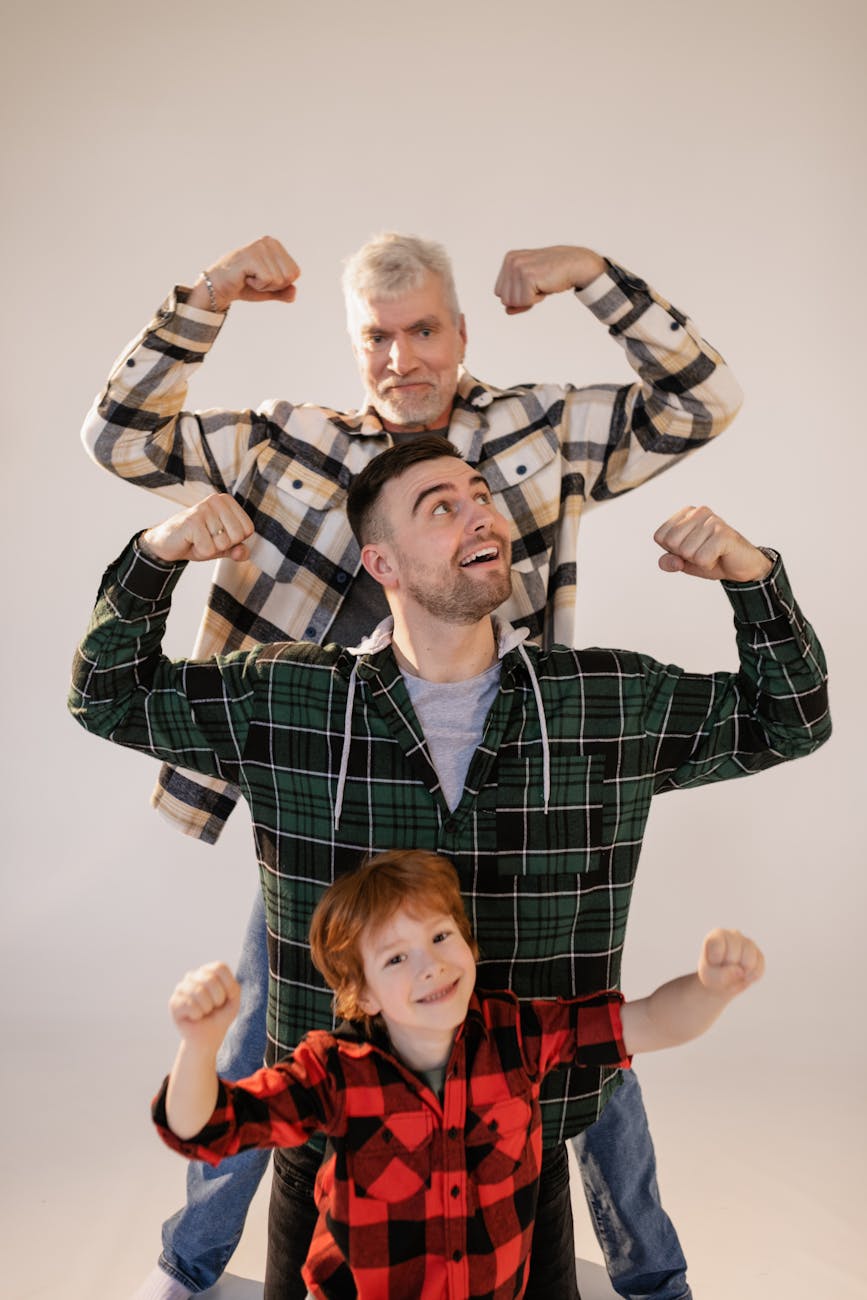
But we have a conflicted relationship with being perceived as old. We tend to think it’s always older than we are. When you’re a teen, 30 looks old. When you’re 80, it’s 95. Perhaps it’s not about the number but about creating positive associations with the labels “old” and “senior,” that’s the goal?
Leaning Into The Benefits
In the meantime as I try to dismantle ageist stereotypes, I’m actively looking for those senior discounts that I’ve heard about. I’ve discovered that there are a wide variety of age thresholds for the discounts: some start as early at 55 years, some at 60, some at 62, and the rest at 65. Curiously, some discounts rely on you self-identifying as a senior and there’s no age threshold attached. So, claim your senior status! Eventually, society will realize that we’re not as old and irrelevant as they thought. But, until then…
Here’s a link that I found to senior discounts in Ontario.
I’d love to hear your thoughts about this topic. Comment below.
*https://sehc.com/future-of-aging/combatting-ageism
**https://www.apa.org/news/press/releases/2024/04/old-age-onset-perceptions

 Retired, And Now What?
We definitely need to rethink how we perceive older adults. And I agree it starts with our own perceptions. If we think we’re old and past our prime, it will limit our actions and we will quickly become irrelevant.
LikeLiked by 2 people
That’s so true. We need to remind ourselves and others that we are full of life and possibilities.
LikeLiked by 2 people