
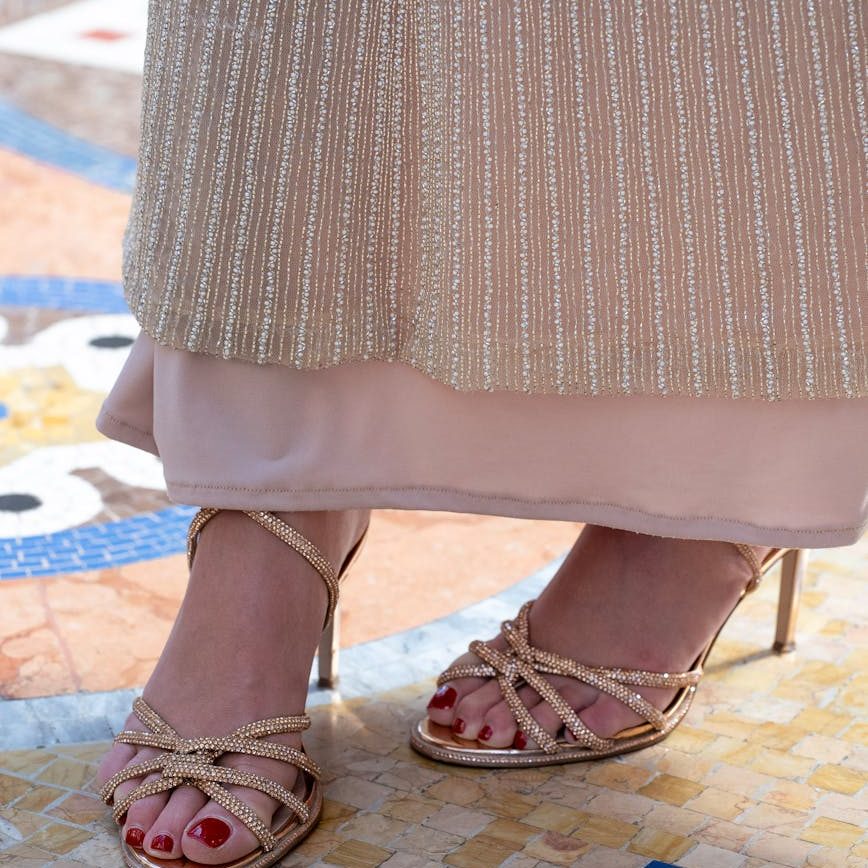
I’m not a minimalist but I do try to use what I purchase. I don’t like to be wasteful. However, I have been known to go on a shopping spree to fill a need for a special event. It’s difficult to accept an invitation for a wedding without accepting the likelihood of buying new clothes and heels for the occasion. Similarly, when I’m planning a trip, I tend to hit the stores in search of the perfect sundress or travel tote. I justify my purchases as part of the joy of the event. I try not to think about the fact that those high heels won’t be worn again, and that sundress that was perfect for the Italian beach, will never see the light of day in Canada. However, I’m increasingly annoyed by my wasteful habits.
Wasteful Purchasing Cycle
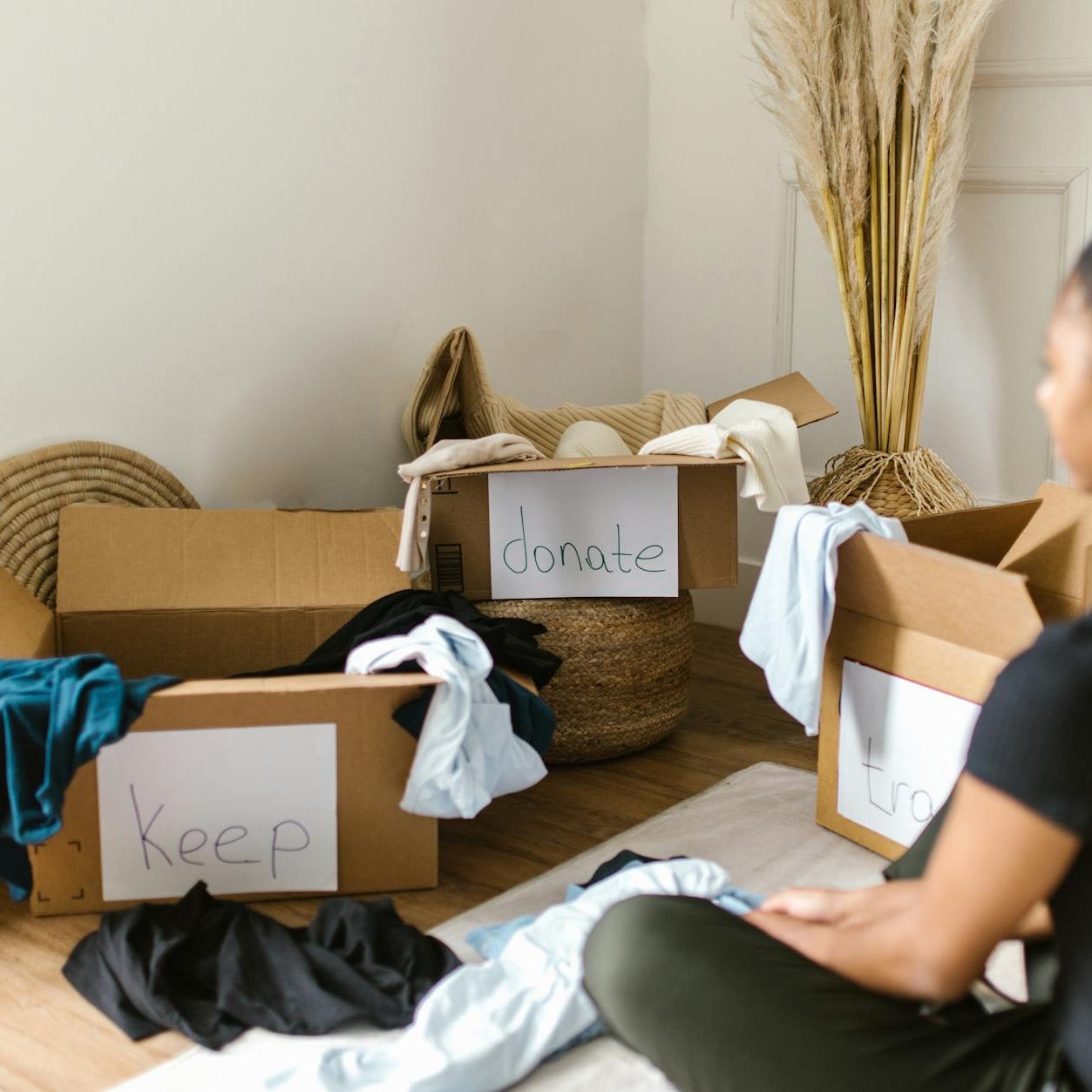
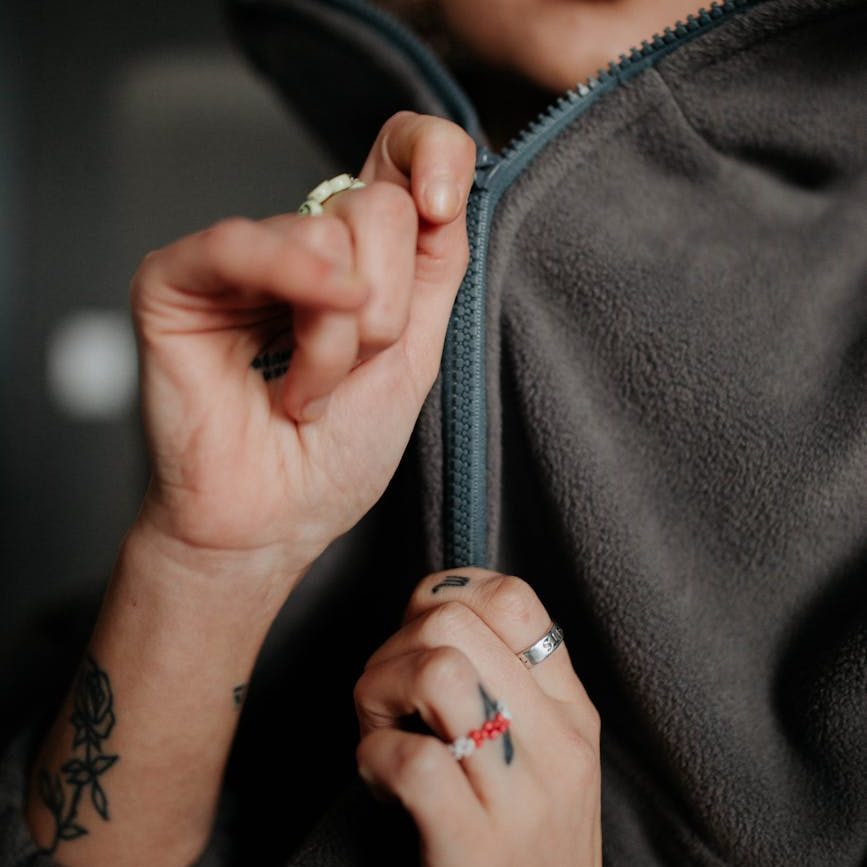
Over the years, I’ve even developed an accepted process for such imprudent purchases. After briefly using them, I let them mature in the “closet of guilt” for at least a year. Then, I begrudgingly donate them. Does this cycle sound familiar? It’s a waste of materials, money, and my time shopping for them and then carting them away. Recently, I was reminded that there is another way, when a family member offered to lend me their polar fleece for my upcoming trip.
Bringing Borrowing Back
Borrowing used to be commonplace. Asking to borrow a cup of sugar was a something folks did when communities were smaller and resources were more scarce. These days it’s so easy to go to the store or look online and find what you need. Then, you can own it. It’s yours, and no one else is involved in its care.
Ownership Isn’t Always Necessary
However, there’s a catch. With ownership comes the responsibility for what to do with each item, when it’s served the purpose for which you bought it. Borrowing doesn’t come with that responsibility. When you’re done with it, you return it, and it doesn’t take up space in your closet.
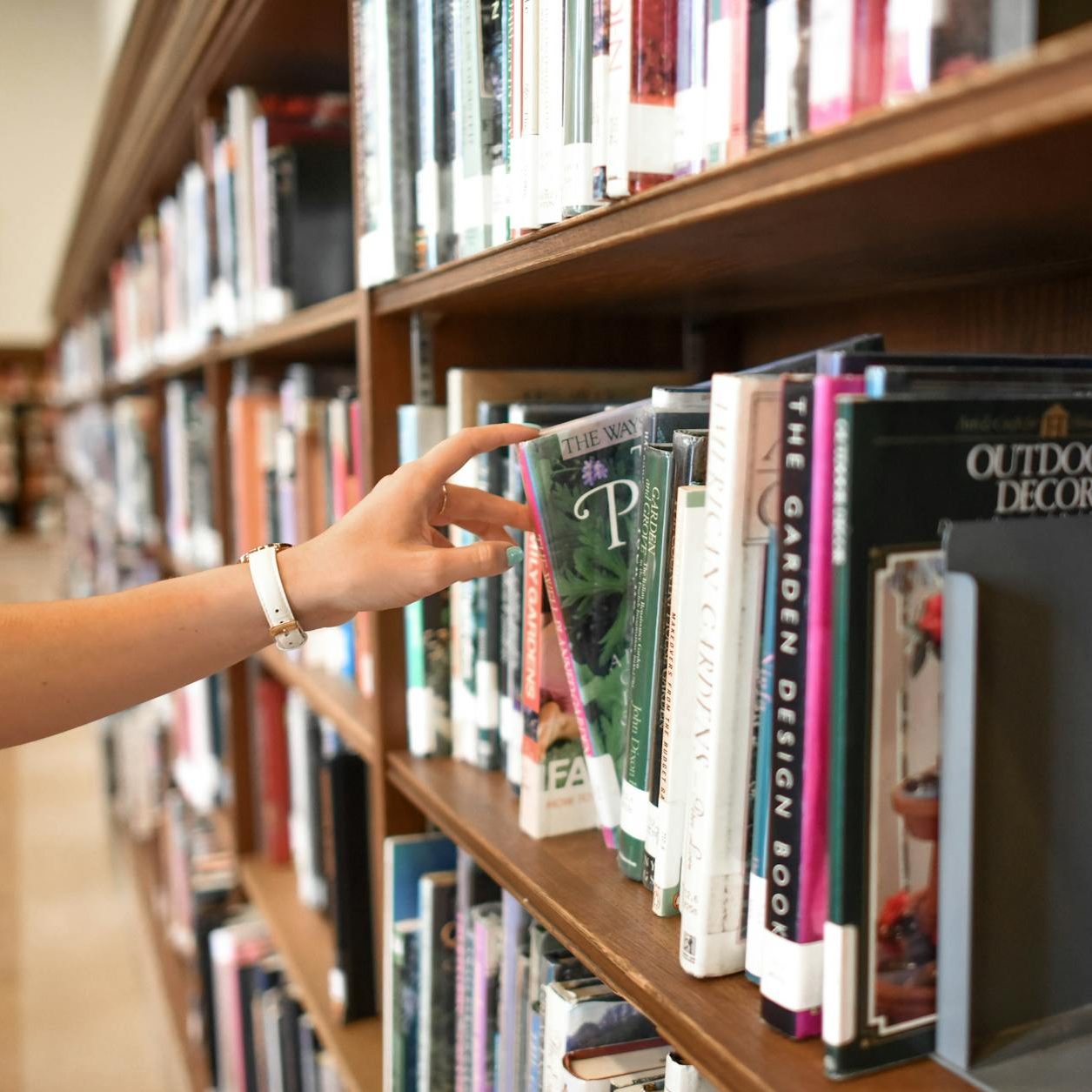
Sure, there is the responsibility of looking after the item while it’s in your care, but I can handle that and so can you. It’s like a library book. Over the years, I can only think of one time that I lost a library book.* I have a pretty good track record of taking care of the things that I own. So, responsibility is not stopping me from borrowing.
Build Trust And Strengthen Connections
Perhaps, it’s the relationship that it builds between us and the person that we’re borrowing from, that’s a barrier? Or, more likely, as a society, we’re just out of practice? Borrowing and lending items to others builds trust and strengthens relationships, provided the item is returned on time and in good condition. If the library can trust us to do this, we can trust our friend, relative or neighbour to borrow our stuff.
Changing Behaviour
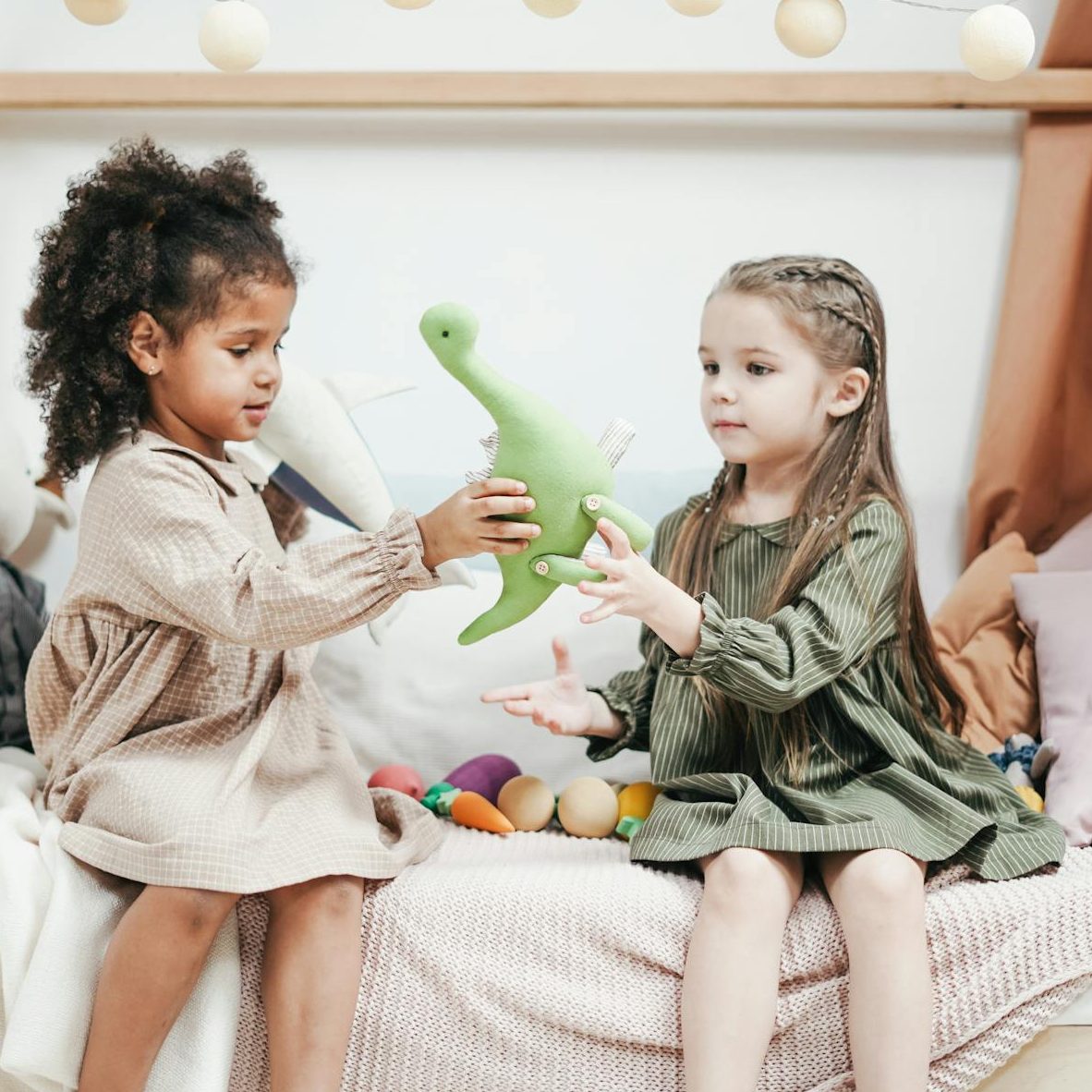
The next time I find myself needing something for a one-off event or trip I’ll consider asking a friend or family member if I can borrow it. I’ll take a chance and ask to borrow a polar fleece for my east coast trip instead of buying one. If your friend is hosting a party, offer to lend them that serving platter that you only use every few years. Be a borrower and a lender.

The Big Benefits Are Worth It
It builds trust, saves us money, saves our time, saves us storage space and we’ll be kinder to the environment by making less waste. It might feel a little unfamiliar to borrow or lend our stuff at first, but with all those benefits, it’s worth a try.
What’s the last thing you borrowed or lent to someone? How did it work out for you? Comment below.
*And I did find it 12 years later in the most unexpected place: behind some towels in a drawer.


