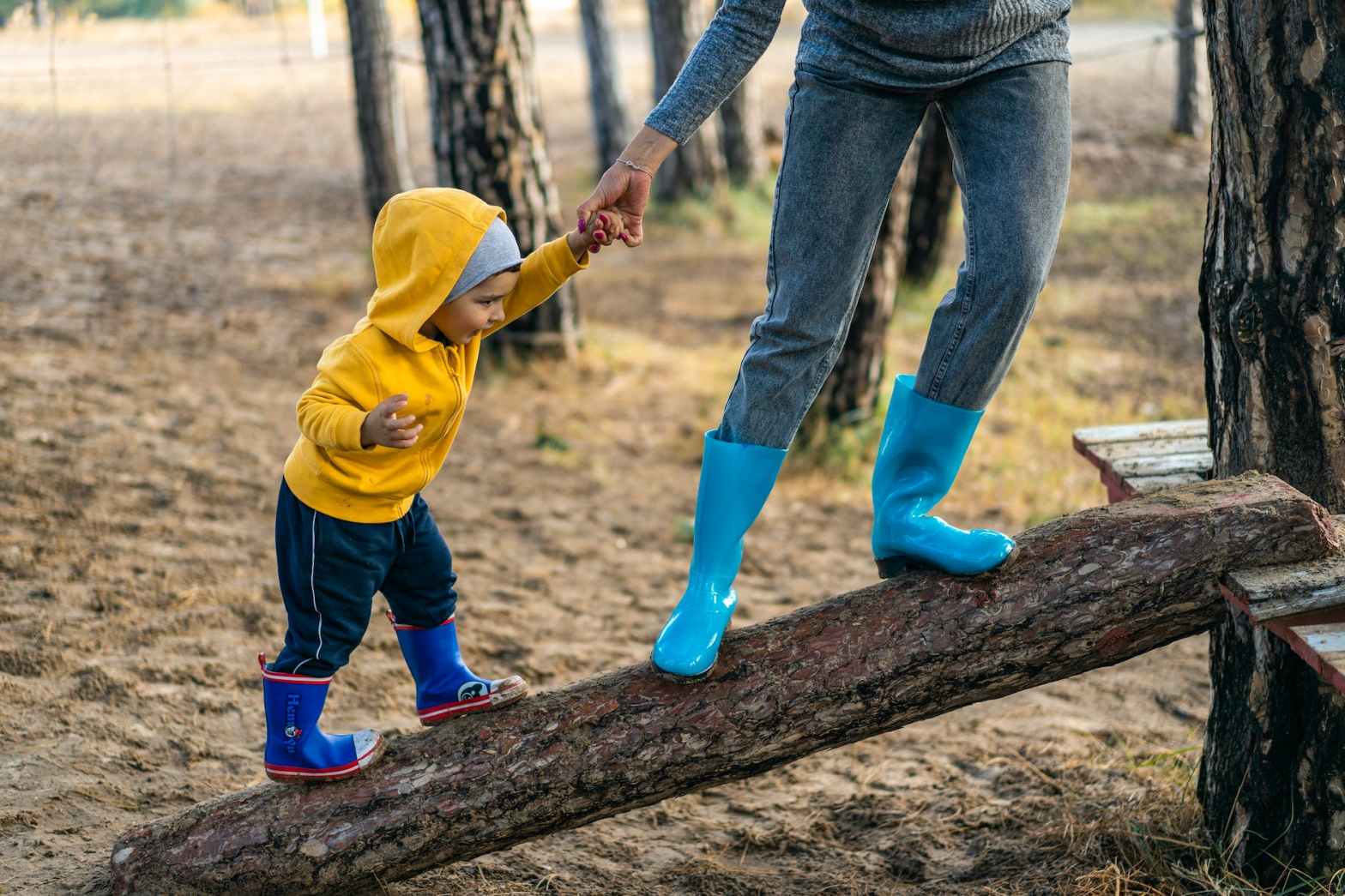
Part 2 in Rethinking Help (click here to read part 1)
I see the value of accepting help for the giver, who shares their support, and the receiver, who is supported. It builds connection between friends and family and is mutually beneficial. Accepting help is like accepting a gift, it strengthens bonds. But my independent streak still resists asking others for help. I know I’m not “taking” from them, if they willingly agree. I know that it’s an important skill for me to develop. But why does it still feel awkward?
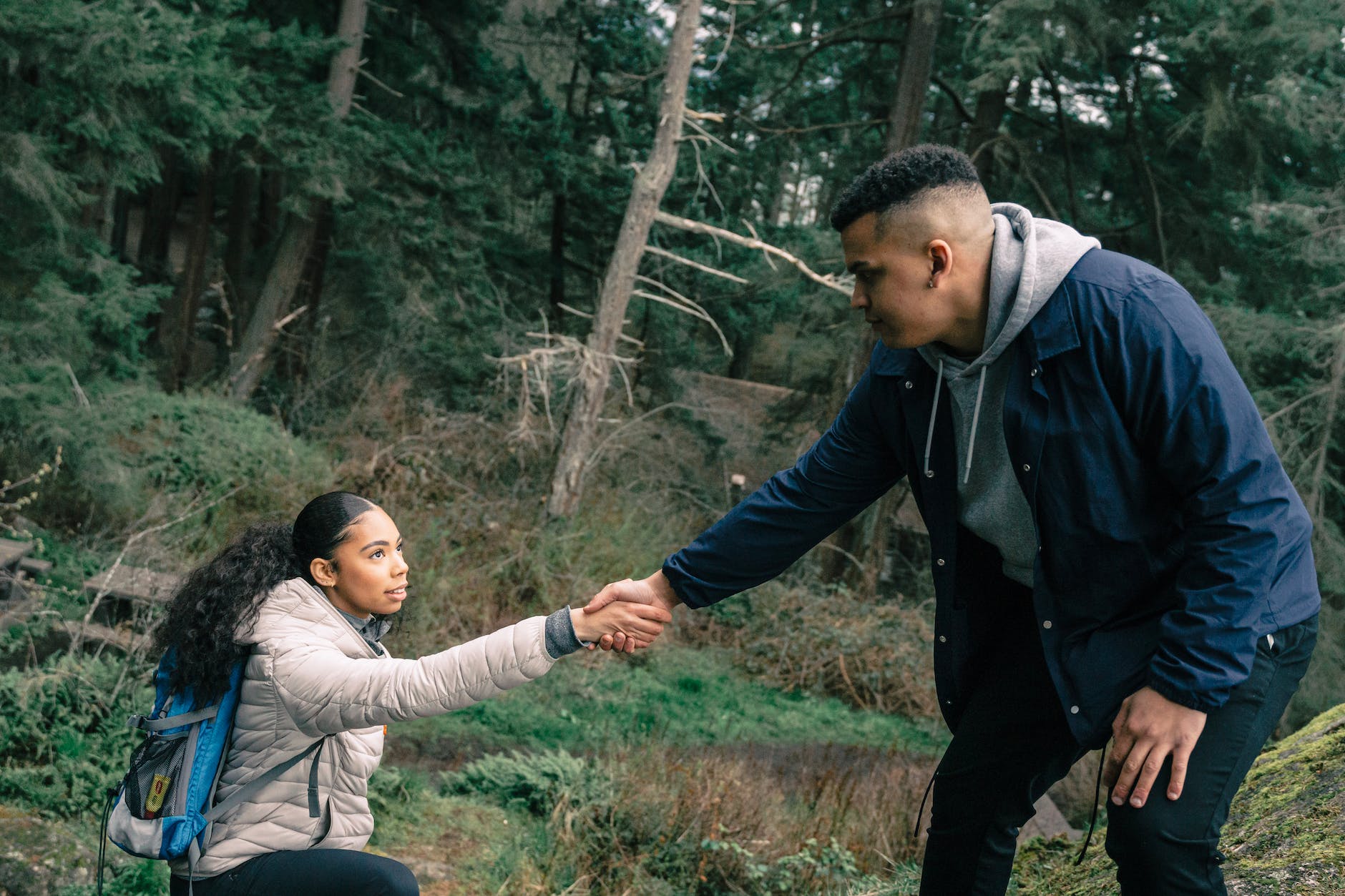
The Root Of The Barrier

Is it asking for help from strangers compared to friends, that causes me to pull away? No. I think sometimes it’s easier to ask a professional for assistance, especially if you compensate them for their efforts. The biggest stumbling block, for me, comes before reaching out to a professional or friend. It is admitting to myself that I need support in the first place. As with most things, I get in my own way.
Assessing When I Need Help

Perhaps, I need to assess my threshold. When is a problem complex enough, or difficult enough that help would be the kindest, next step? After all, the teacher in me knows that some struggle is important for building resilience and learning. In education, it’s a common understanding that struggle is beneficial. ”Neuroscientists have found that mistakes are helpful for brain growth and connectivity and if we are not struggling, we are not learning. Not only is struggle good for our brains but people who know about the value of struggle improve their learning potential.*”
Stress And Context
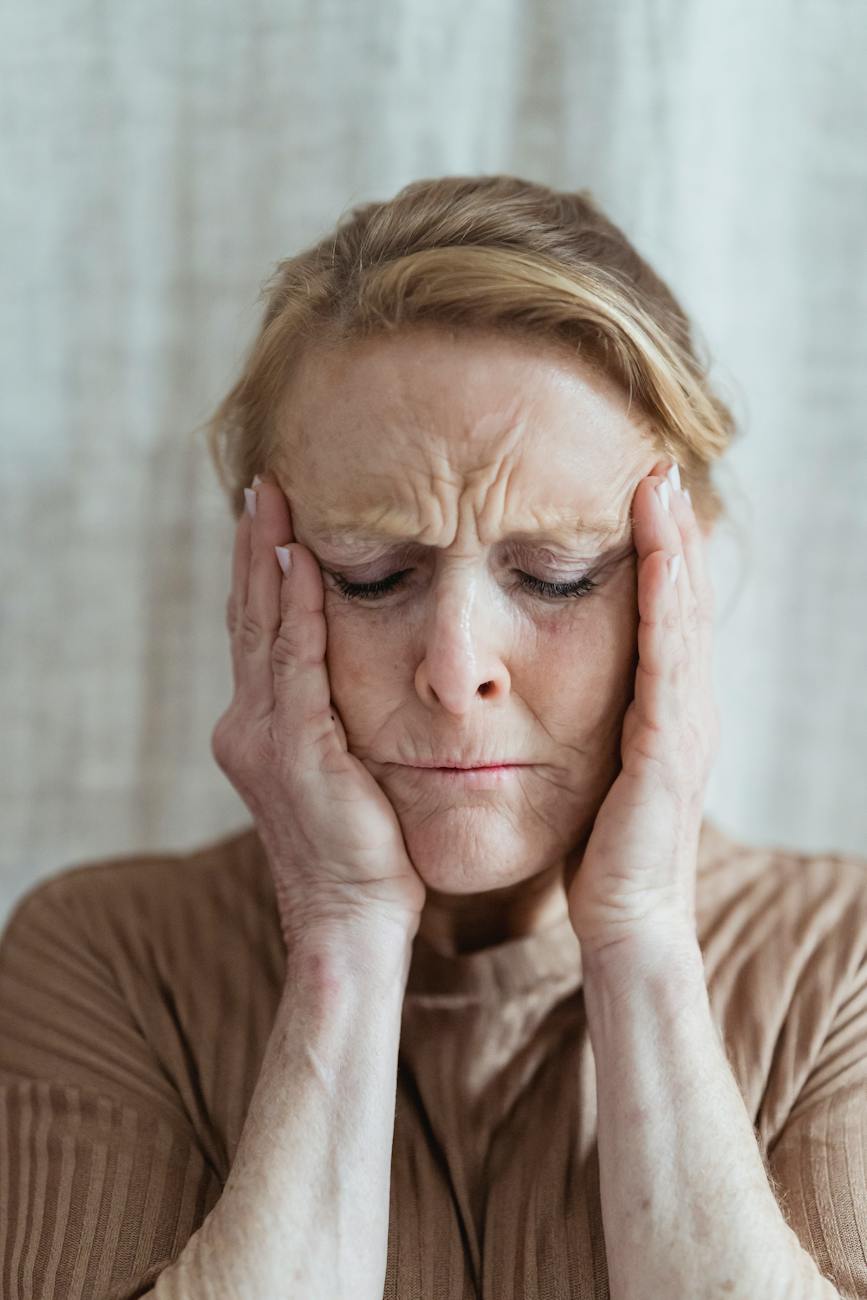
The context, and the way I feel about the challenge, may be the deciding factors for me. If I’m overly stressed about a situation that I can’t seem to solve despite my repeated efforts, I will reach out. It’s worth it to my mental health to get support to reach my goals instead of floundering. Who has time to flounder?

I also know that as I age, my body will need more support to function well. There are times, and will be times, when asking for help to achieve physical wellness is essential. In these circumstances, when I ask for assistance I am making the kindest decision for myself.
Here’s some tips on how to reframe asking for help as a senior.
“If a senior in your life is resisting help, here are some ideas to change the conversation:
- Reframe independence. The term interdependence more accurately describes how all people rely on each other. No one is truly independent. By asking for help, seniors are not becoming less independent; rather, they are embracing interdependence.
- Discuss the benefits to others. By accepting help, seniors are in turn giving a gift to the person providing help, because helping others can bring immense joy and satisfaction.
- Overcome the initial ask. Much like riding a bike or asking someone to dance, there is a degree of fear that comes with uncertainty. The first time you ask for help is the hardest, but it gets easier over time.”**
After The Barrier
It is difficult to build the skill of asking for help but I will walk towards the help, when it meets the thresholds that I’ve established for myself. I recognize that my thresholds are personal and they may change over time.
What are your current thresholds for asking for help?
*https://www.edsurge.com/news/2019-10-28-why-struggle-is-essential-for-the-brain-and-our-lives
**https://www.nm.org/healthbeat/healthy-tips/emotional-health/why-are-seniors-reluctant-to-accept-help

 Retired, And Now What?
I think that social norms that create a binary between “Independent” and “Dependent” has caused a lot of the issue. The correct approach may be something closed to “Interdependence”.
LikeLiked by 1 person
I agree. Seeing ourselves as part of a supportive community, rather than a wolf going each struggle alone.
LikeLiked by 2 people