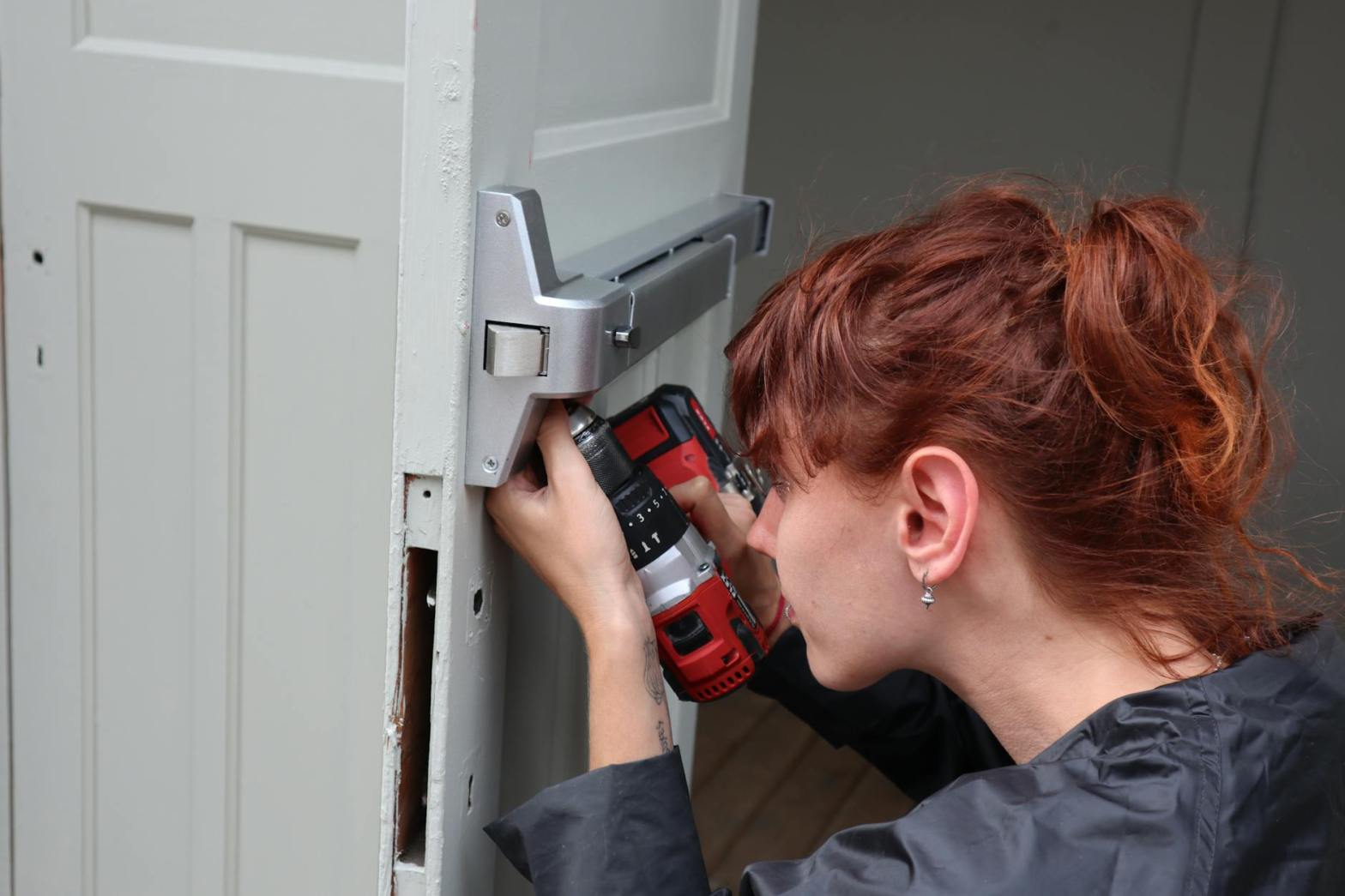
I have no idea how most of the things that I rely on everyday work. It’s a mystery to me how my electric kettle boils my tea and how my phone sends texts. I know how to operate these items, but I couldn’t build one. I find I am increasingly accepting of the fact that not knowing is just the way it is.
Nobody Knows

My elderly family member complains to me about not understanding her new smart TV. She presumes that all of us younger folks “get” technology. I have to explain to her time and time again, that we’re all as lost as she is. We learn how to work something to the level that is necessary for us to do what we want with the item, and then we don’t give it another thought … until it breaks down.
We Know Less And Less

Needing to fix a washing machine or a car used to be a mechanical problem, but increasingly these items are computerized and beyond the help of a wrench and some DW-40. (Obviously, I also know nothing about mechanics). With the advent of self-driving cars, even the skills to move a vehicle along the road will become unnecessary. Many North American drivers no longer know how to shift gears, thanks to automatic gear shifts. Backing up the car without a rearview camera is a skill lost on many new drivers today. The next generation of drivers will not know how to put their foot on the accelerator and steer. With the addition of each piece of technology, we move further and further away from understanding how something works.
We Used To Understand Our World

In a time before the industrial revolution**, most people understood how the tools and processes that they used worked. If they didn’t build tables, they saw a carpenter create one out of wood. They saw flour being milled and baked into bread. They were able to see folks creating cloth from wool or other locally sourced materials. They understood the processes used to create the things in their lives. They were more self-sufficient. Perhaps they had more satisfaction in their lives because they understood it better?
Helpless When My Stuff Breaks

How does it feel to not know how most things work? I feel quite helpless when the washing machine breaks. I have no idea where to begin to fix it, or even what might be wrong with it. I only know that I can’t use it. It’s now a big metal sculpture that I’m not fond of in my laundry room. I rely on someone with specialized knowledge of washing machines to come and fix it, and make it useful again. If you’ve got specialized skills and are able to fix stuff, I really appreciate you.
What has this got to do with passions?
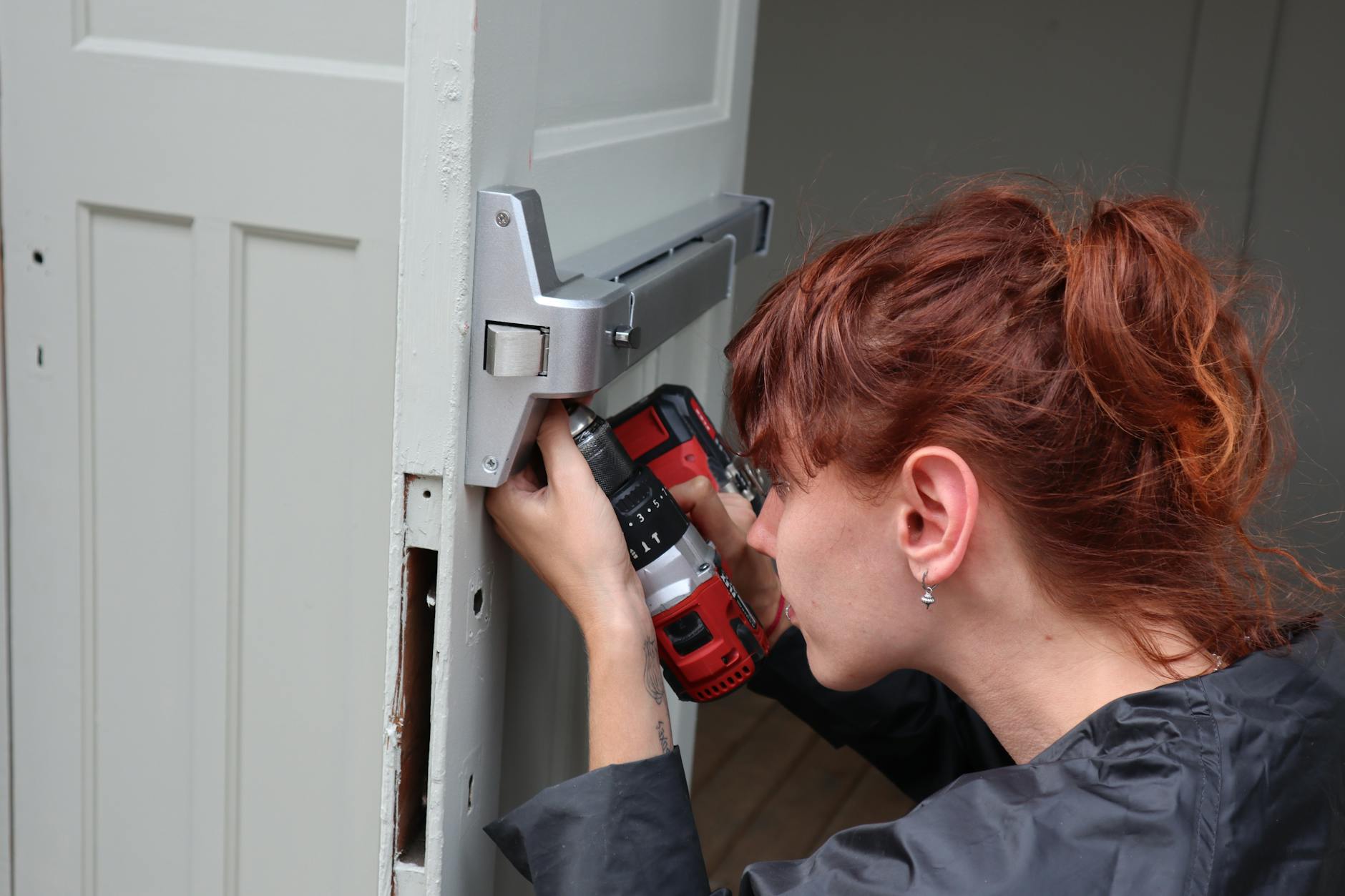
Finding that thing (or those things) that really interest you, gives you the opportunity to unlock one of the mysteries of your universe: how things work. It’s empowering!
As you learn more about carpentry, or electronics, or computer programming, you will gain understanding about how something that you use everyday works. That unlocks feelings of mastery, accomplishment, and appreciation: feelings that make life special.*
Take a course, check out YouTube, read a book, whatever it takes to pursue your passion, and find out how some of the things in your world work. I’m unlocking the mysteries of turning string into fabric. I find it fascinating, but maybe cameras, or washing machine repair are more your thing. Follow your curiosity!
What’s something that’s always made you wonder, “How does that work?” Comment below.
This article was originally published as Find Your Passion: Unlock The Mystery Of How Something Works 2023/02/09.
* https://www.piedmont.org/living-better/the-mind-body-benefits-of-learning-a-new-skill


Such a fascinating thing to ponder, Caroline. I often wonder if our lack of understanding of what goes into making things work contributes to the way we just casually discard things that are usable rather than trying to fix them. This throwaway mentality even extends to things like clothing and relationships.
I’ve always been fascinated by radio, and how the music gets from the studio to my ears.
LikeLiked by 1 person
I agree. When we don’t realize what knowledge and time goes into creating something, we don’t value it. That probably does contribute to the throwaway mentality that we have in North America. It’s easier to buy new than fix old items. Thank you for your insightful comments.
I love seeing the rise of mending as an art form, and booths at the local farmer’s market where they will teach you how to fix your broken lamp or toaster.
That we can capture and transmit music across the air and into a radio is a wonder worth exploring!
LikeLiked by 1 person