
Life balance is a moving target. No one secures a bullseye in life balance. Our life circumstances are too changeable and varied from one week to the next. However, it is a worthy target to aim for because it keeps us readjusting and moving in a direction that feeds us with energy and keeps us engaged: two factors that make for a happy, fulfilled life.

The Slow Tilt
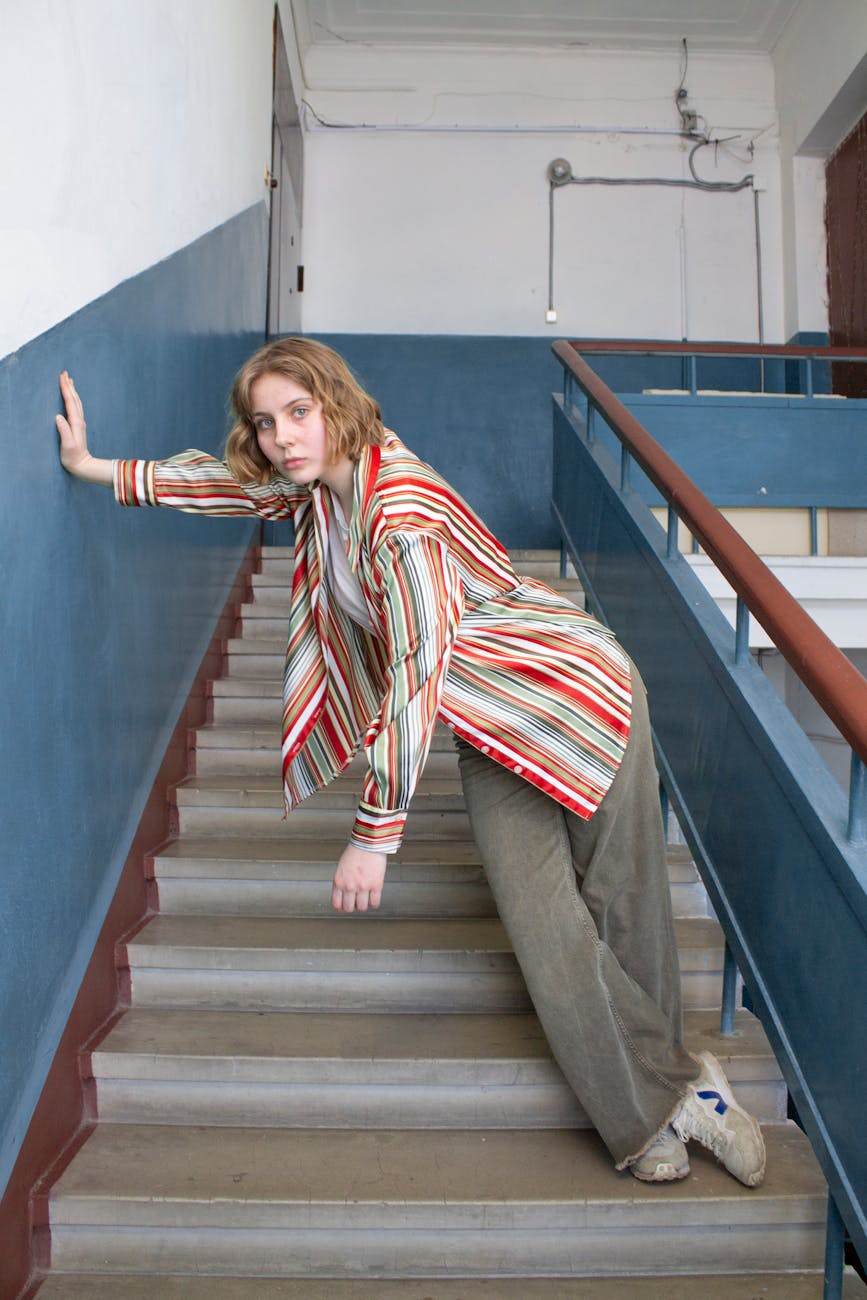
We know when our life is out of kilter, when seeking a better life balance is something that feels necessary. It’s times when life is so significantly tilted to the draining and mind-numbing that day to day life has lost it’s sparkle. It doesn’t happen over-night. It builds day after day until we find ourself trudging along in a grey fog of routine.

The Faster Tilt
Life can also be off-balance when it has significantly changed, and we’re trying to figure out how to move forward. Perhaps we’ve retired, found a new partner, found ourself newly single, moved town, or are dealing with a significant health issue. The way we used to create balance in our life is just not possible now, because the activities that used to fill our life have changed. So, how do we move forward?

Finding Your Way Forward
We start by looking at our life as it is now. Our days are filled with “work:” paid and unpaid activities that we do. Everything from doing laundry, to researching, to meeting friends, to attending exercise classes, our weeks are filled with activity. Looking closely at those activities over a few weeks gives us clues. By tracking the circumstances of each activity (where, when, who), the energy drained or boosted, and whether the activity is interesting, neutral or boring for us, we’re made aware of our life balance as it exists right now. It leads to new insights.
“Logging when you are and aren’t engaged and energized will help you pay attentions to what you’re doing and discover what’s working.” – P44 Designing Your Life: How To Build A Well-Lived Joyful Life, Burnett and Evans.
We may even notice some activities where we enter a state of flow: a deep stage of engagement where we lose track of time.**
If we feel that there is room for improvement in our life balance, we can use our data to adjust the activities to include more of what boosts us in energy and interest, and less of what drains us.*

Data For Making Some Small Changes
The application of our insights can be simple adjustments to an activity that can be done immediately. For example, if I find ironing to be soothing and vacuuming to be draining, I could switch chores with another family member. I might discover that having my groceries delivered rather than forcing myself into the energy-draining and boring grocery store, would be a beneficial switch for me. I found that even a quick change from camera-off to camera-on in an exercise class can make a positive difference to my level of engagement. The insights and adjustments are unique to each person.

Having Information To Guide The Bigger Changes

It’s exciting to realize that once we have the awareness, creating more life balance can start with small, simple steps. Tracking our activities also gives us information to begin making bigger more complex changes too. It all moves us closer to the elusive life balance bullseye.
Share your thoughts below.
* https://designingyour.life/books-designing-life-original-book/
** Flow is a cognitive state where one is completely immersed in an activity—from painting and writing to prayer and surfboarding. It involves intense focus, creative engagement, and the loss of awareness of time and self.
https://www.psychologytoday.com/ca/basics/flow

 Retired, And Now What?