
I’m rekindling part of my cultural heritage, in times of stress. Recently, I was reading a wonderful book about building resilience by deepening your relationship with your body. Who doesn’t want to be able to bounce back a bit more often from the stress and tension of everyday life? (I’ll link the book below.*) I’m still learning how to listen to the messages that my body is sending me (pain in the shoulder) and respond with care.

Patterns That Don’t Help Me Pause And Process
But, I’ve noticed that I have a pattern of coping strategies that I use and re-use when I’m met with uncomfortable feelings such as, anger, sadness, over-whelm or frustration. I’ve gotten into the habit of reaching for the crunchy snacks and scrolling on my phone to distract me from the feelings and sensations in my body. I’m aware that I could certainly choose better coping strategies that are designed to sooth me, while also letting me face how I’m feeling. Something that allows me to pause.

Looking For A Strategy Replacement
Like all changes in well-established patterns, after awareness of the pattern comes some planning of what to use instead, before the next triggering situation arises.
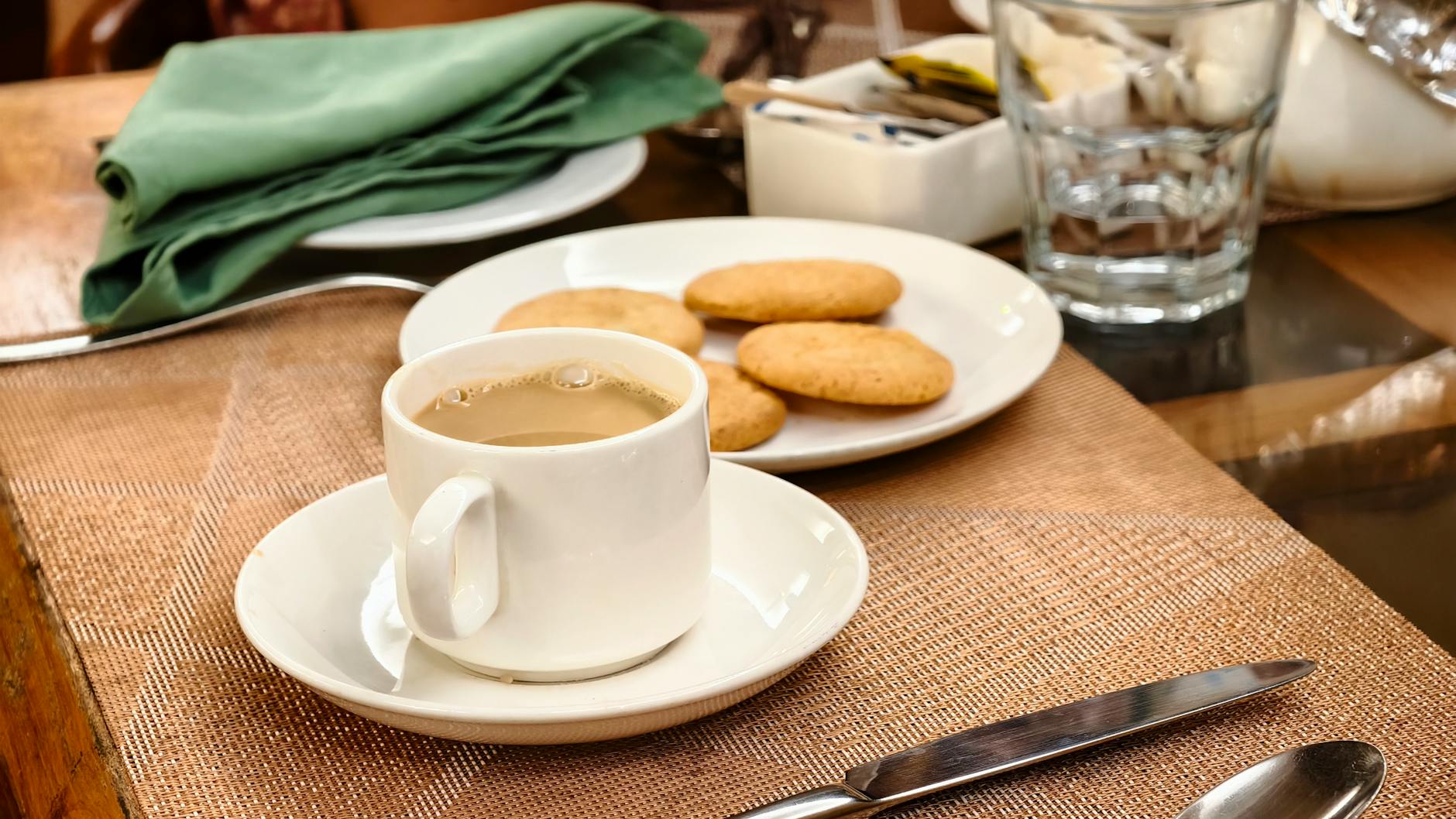
Thinking about this, I wondered if I could pull from my cultural heritage and do what millions of Brits have done when met with difficulties? It’s what my grandma would’ve done, and if you’ve ever watched/read English crime dramas, it’s the first thing they do when the police break the news to the victim’s family: they make tea.
Why Tea?
Even though some folks will swear that tea cures all ailments, that’s not why I’d reach for it. It’s to create a soothing and comforting moment to pause and process my emotions. I’d favour herbal tea to avoid adding more stimulants with caffeine. Making tea gives me something to do when I’m flustered that doesn’t require much thinking. The routine nature of boiling the water, and pouring it on the leaves allows time for thinking about other things, such as noticing what’s going on in my body (jaw clenched? tight shoulders? pressure behind my eyes?).

All The Senses Are Engaged
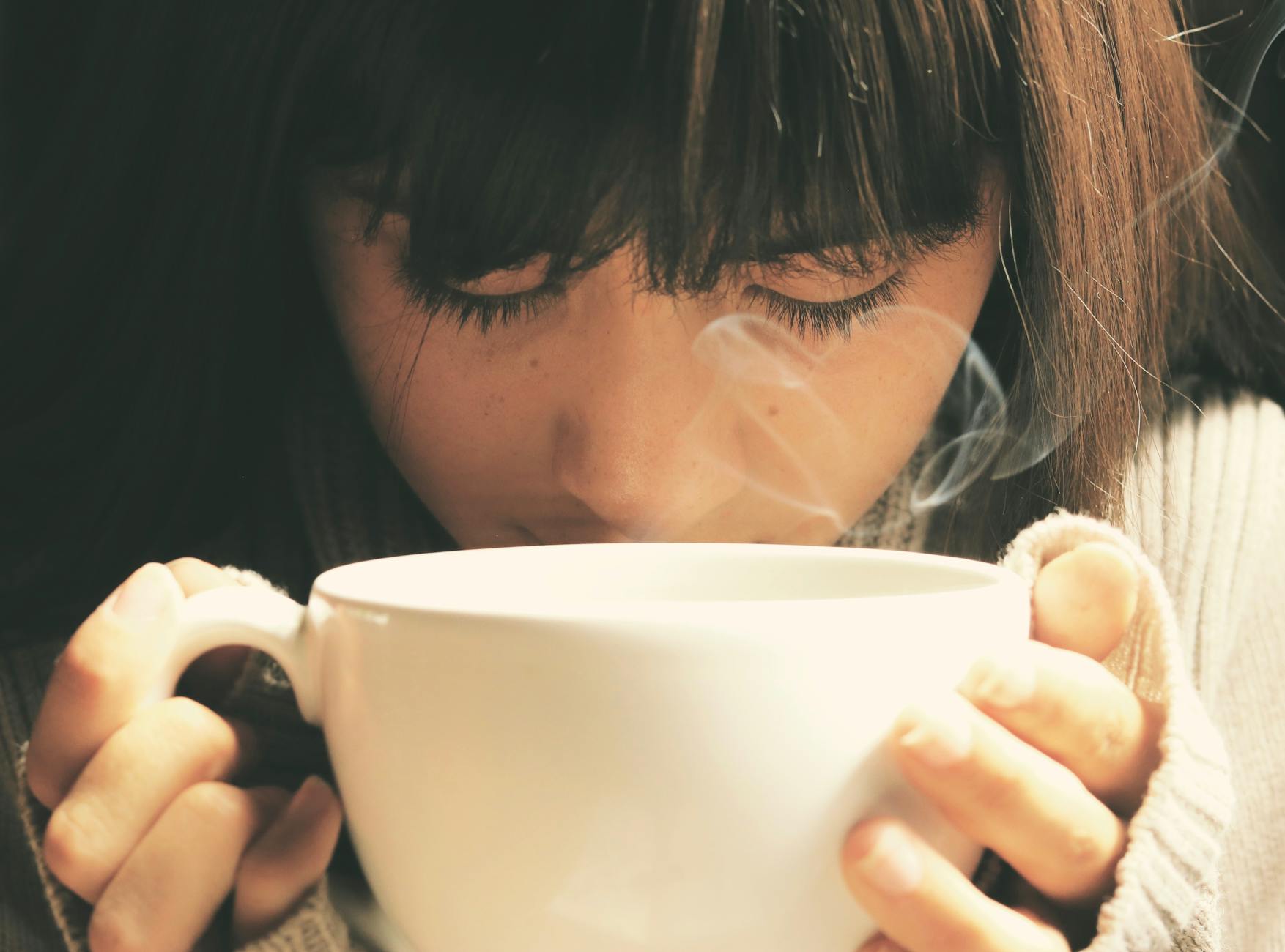
Tea is a calming ritual that engages all the senses. Smelling the tea and inhaling the steam is soothing. Holding the warm mug is comforting. This is a drink that cannot be consumed quickly. It forces me to wait as it cools, and as I cool. More hydration helps my body function and my mind consider what’s disturbed me. Even the sounds of the kettle boiling, the water pouring, and the spoon slowly stirring, is lulling.
Baby Steps In Stress Management
I’m going to try to reach for a tea first, rather than a bag of chips or my phone, when I’m stressed. I realize that this strategy has its limits, because I need to be at home, and I can’t drink tea all day! But, I think it will be helpful when I want to give myself the opportunity to pause and process what’s going on in my body. Even if I reach for the chips after drinking my tea, at least I will do it with more knowledge of how the situation is affecting me. It’s a small step that feels achievable for me.
What do you reach for in times of stress that helps you to pause and process? It may be a food or drink, or it could be an activity such as stepping outside, journaling, or time with your dog. Comment below with your ideas.
Click here for Stress Management Activities that may be useful.

 Retired, And Now What?
Ah yes! The British cure all. “Put the kettle on love!” Having grown up in England, I can relate to this.
LikeLiked by 1 person
When I’ve been back to visit the UK, I’ve noticed that coffee is a lot more popular with younger folks. St@rbucks and others have made coffee trendy.
LikeLiked by 1 person
The good old calming cuppa, sad being swamped by the commercialism of ‘mind buzzing’ coffee But not for me, got the kettle on another cuppa.
LikeLiked by 1 person
You’re right. Tea has a totally different vibe to it than coffee in the way that it’s marketed.
LikeLike