
“Put yourself in a position where you can never be lonely.” I keep returning to these words, spoken to me in a conversation by a woman I’d just met.
“Put yourself in a position where you can never be lonely.”
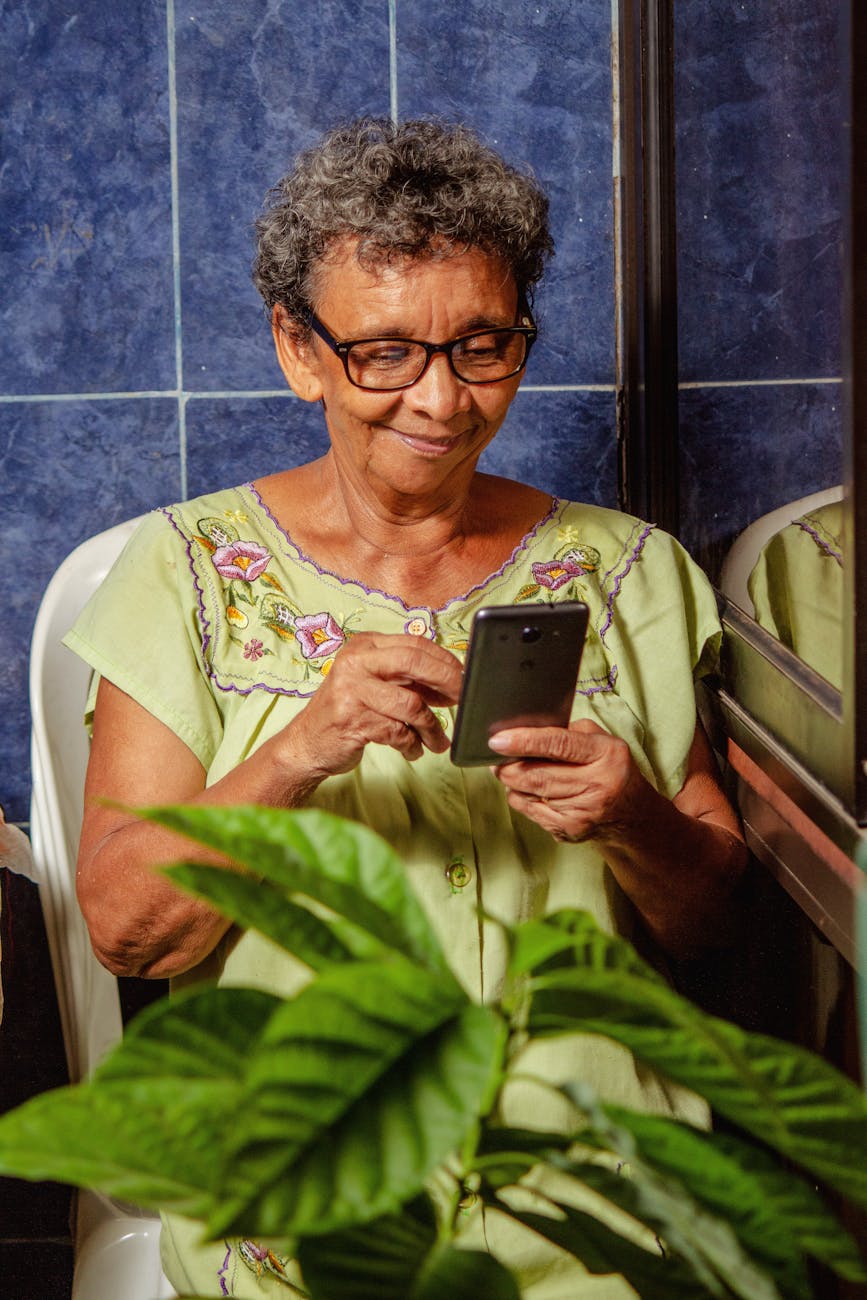
Regularly Reach Out With Texts
It’s a hopeful statement that empowers each of us. We can make decisions that put ourselves in connection with others. For this woman it involves texting every day. She reaches out to friends, family, or colleagues with a quick check-in or update on what she’s doing. Sometimes she just send an emoji. She keeps the lines of communication open.
Loneliness Happens
Loneliness is a difficult subject. It effects us all from time to time throughout our lives. But, it can become particularly acute after big life changes such as, divorce, moving to a new city, losing a partner, or after retiring from a career. Feeling isolated and untethered from the world is a very uncomfortable feeling.
How We Respond To It Matters
While it can lead us to try to fill that hole with deep dives into social media, hours of watching TV, or binge reading, we do have control over how with approach the situation. We can change our position.
Be the first person to say, “Hello.”

When you’re waiting in line for a coffee, at your pilates’ class, or anywhere around others, bravely say, “Hello.” Ask an open-ended question related to your immediate shared surroundings to start a conversation. If they’re not interested, they won’t engage.
Recently, while walking near the lake I stopped to look out over the water and a woman asked me about the colours in the horizon and whether they were typical for this area at this time of year. I think she was a painter. It lead to a few minutes of conversation that brightened my walk and probably hers as well.

Ask for consent for the 8 min phone call. Then call.
Studies found that using communication that includes your voice, such as a phone call, creates stronger social bonds that text-only formats.

However, one of the reasons that we don’t like to make phone calls to connect with others is that we don’t want to bother them by calling at an inconvenient time. Back when phones were attached to walls, you didn’t have to answer if you didn’t want to, and you didn’t know who was calling. Now, when you see the name of a loved one pop up on your screen, it can feel like a necessity to answer, even if you’re in the middle of something. Another reason that we don’t pick up, or call, is that some folks – me included – can get carried away with chatting for too long.

A possible solution is asking for consent before calling, by texting the person to see if this is a good time for a 8 minute chat. If it’s not, that’s ok. Try another time. No hard feelings. Keeping your call short allows for meaningful connection but doesn’t monopolize your day or their’s. After the time is up you can agree to talk more if necessary. Don’t over-stay your welcome.
When you know that the calls can be short you’re both more likely to call and to call more often. It puts both of you in a position where you won’t be lonely.

What are some ways that you’ve put yourself in a position where you’re not lonely? Share them below.

 Retired, And Now What?
Great newsletter, Caroline! I told my 86-year-old dad about the advice about putting yourself in a position where you can never be lonely, and how I saw him demonstrating it. Somehow he figured it out, but I think it’s something I need to be reminded of. I love the suggestion of asking for permission for an 8-minute phone call – definitely going to take on that strategy for connection!!
Hope this cold morning is finding you cozy and cuddled up with a great book, crochet project, and maybe a sleeping cat.
Joanne
LikeLiked by 1 person
It’s one of those truths that we all instinctively know but need regular reminders to put into action. Thank you for your kind wishes and I hope you enjoy several 8 minute calls in the near future.
LikeLike