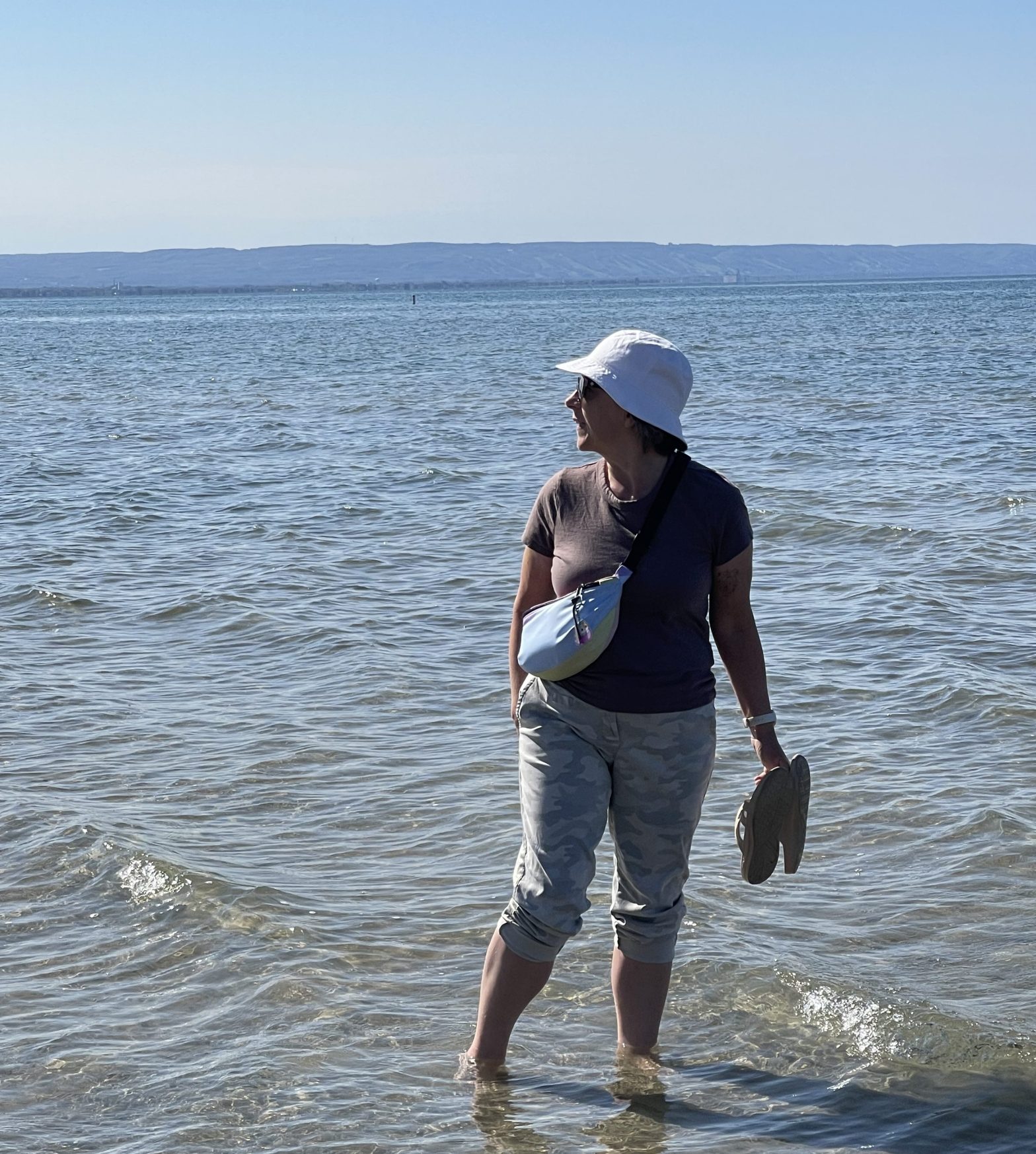
I think I’m in for my biggest challenge yet since finishing my teaching career. This is bigger than going to college to get accredited as a life coach. It’s bigger even than learning how to set up, and run a business. I have high hopes for a positive effect. This summer, I’m going to learn to do nothing.
Why would I want to do nothing?
Even though it’s been four years since I left the classroom, I’ve never really slowed down to a stop. I’ve been focussed on doing something the whole time: researching new projects, learning, growing and developing. I’ve taken some breaks that I probably called “holidays,” but, if I examine how I spent my time on those holidays, I wasn’t still. I was crocheting, gardening, spring cleaning, doing errands and busy from morning until night. It’s the same restless kind of energy that pulls me to scroll through Instagram on my phone several times a day, instead of being still.

The Negative Effects Of Consistent Stress
That restlessness has taken a toll on me in the form of a clenched jaw, indigestion, insomnia and a constant feeling of stress. It’s also lead me to some not very helpful ways of soothing and distracting myself with snacks, TV, and social media.
This Summer, I’m ready to tackle this, and settle my nervous system with a rest and reset. I have the opportunity to do this without having to balance working full time and I’m going to give myself this gift.
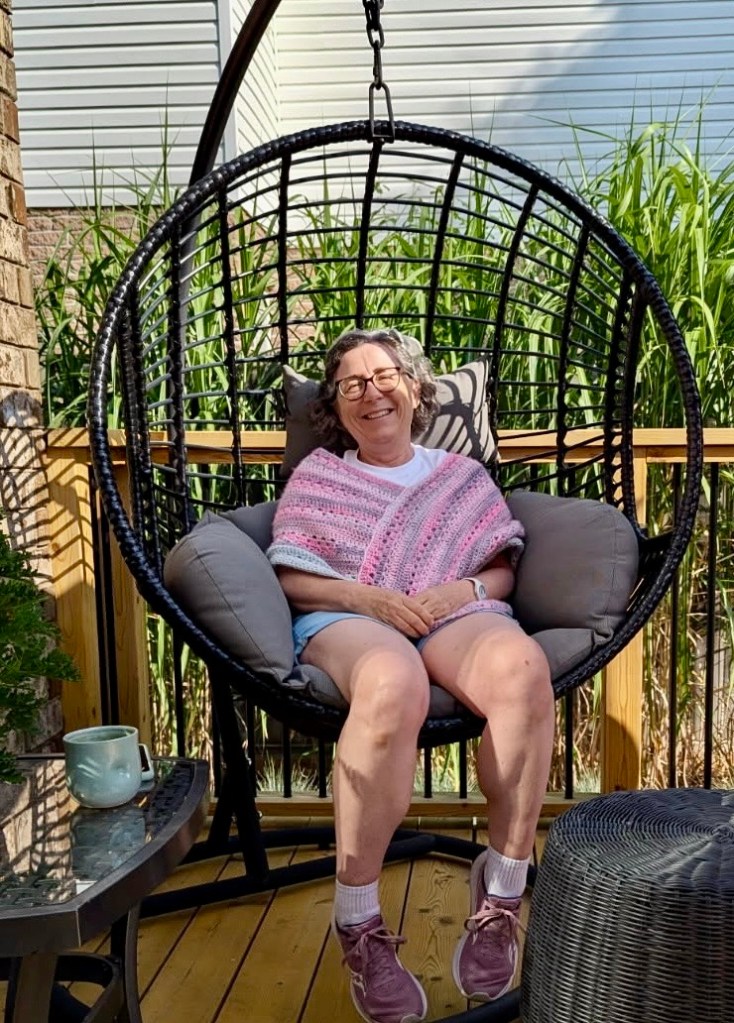
My Ten “Do Nothing” Principles:
For me, it will mean slowing everything down and leaving big chunks of space in the day.
- No rushing. For things that have to be done – preparing meals, laundry, basic cleaning, gardening – I’m challenging myself to do them as slowly as I can.
- No multitasking. One thing at a time with all my attention on that one thing. No eating lunch while doing a Wordle. No talking on the phone while knitting. Each task gets my full attention.
- Several times a day, do restorative yoga poses such as legs up the wall, child’s pose, and laying flat on the floor in Savasana.
- Listen to music.
- Go for walks with no purpose other than walking.
- Sit outside and listen to the birds.
- Meditate daily to check in on my stress levels.
- Journal to reflect on how it’s going.
- Play without any end result in mind (with paints, fabric, yarn or whatever’s at hand).
- Regular evening soaks in the tub to prepare for sleep.

Why Is Doing Nothing A Challenge?
I know this will be difficult for me because I focus on being productive. Being, and not doing, is hard. It can feel restless, uncomfortable, and even lazy and shameful, to purposefully do nothing. Those are difficult feelings to just sit there and feel. It’s a lot of conditioning to rebel against. I will have to keep my phone far away from me to avoid scrolling when I feel that way.

I’m hoping it will get easier as I start to unwind and get used to just being. It’s ironic that doing nothing feels like a waste of time when in fact, it’s using my time in an effective way to heal my nervous system. Doing nothing is putting my health ahead of everything else for once. It’s my summer gift to me.
Wishing everyone a truly restful and relaxing summer. Care to share your plans for “being” instead of “doing” this summer? Comment below.
*Read more about resetting your nervous system here: https://www.psychologytoday.com/ca/blog/the-well-being-toolkit/202204/when-doing-nothing-is-good-you-and-your-nervous-system


Sounds like a good plan. Time to get off the hamster wheel of life.
LikeLiked by 2 people