
Being kind to others involves letting them do their own self-discoveries. As a teacher, I was able to read my students fairly well. It would take only a few moments after meeting my class in September, to realize which kids might need extra support. It’s a skill teachers develop over time, after interacting with many different people with many different needs.
Not Your Job To Say.
Even though my teacher senses start tingling when I see certain behaviours in adults, I avoid informing them of my hunches. I’m not a doctor and I could be wrong. But more importantly, it’s disrespectful. I would feel robbed if someone came up to me and informed me of things about myself that I didn’t even know yet. Our journeys are our own.
Self-Revelation Can Happen At Any Age
I was reminded of this when I heard author, Katherine May, speak about her mid-life autism diagnosis. She had been married for 20 years, and when she told her husband about what she’d learned about herself, he immediately accepted it because he’d suspected it all along. Why didn’t he tell her his suspicions? He could have saved her so much time. But he accepted her as she was and the label wasn’t necessary for him.* It was her journey.
Is A Label Necessary?
I think there is a big difference between you labelling someone and someone adopting a label as part of their identity. When you label someone, it’s more about how you see them according to your understanding of that group of people. It will be affected by your personal biases and it will limit that person.** This was why labelling grew out of favour until recently.
Labelling As Part Of Your Identity
Now, I often find people in my life and in public life describe themselves with certain labels. It’s become common for people to identify as an “introvert” or a person with “ADD.” At times, I find this jarring because I’m used to avoiding labelling people. The important part to remember is that they chose this label as part of their identity.
“Labelling myself as an introvert helped me to understand my social identity and become more aware of my behaviour and actions. Knowing where the root of the problem was helped me to overcome many of my fears, such as a fear of public speaking or simply talking to a stranger.”
It was not imposed on them by others. As a choice, this label comes with benefits for them. ***
Learning To Own My Label
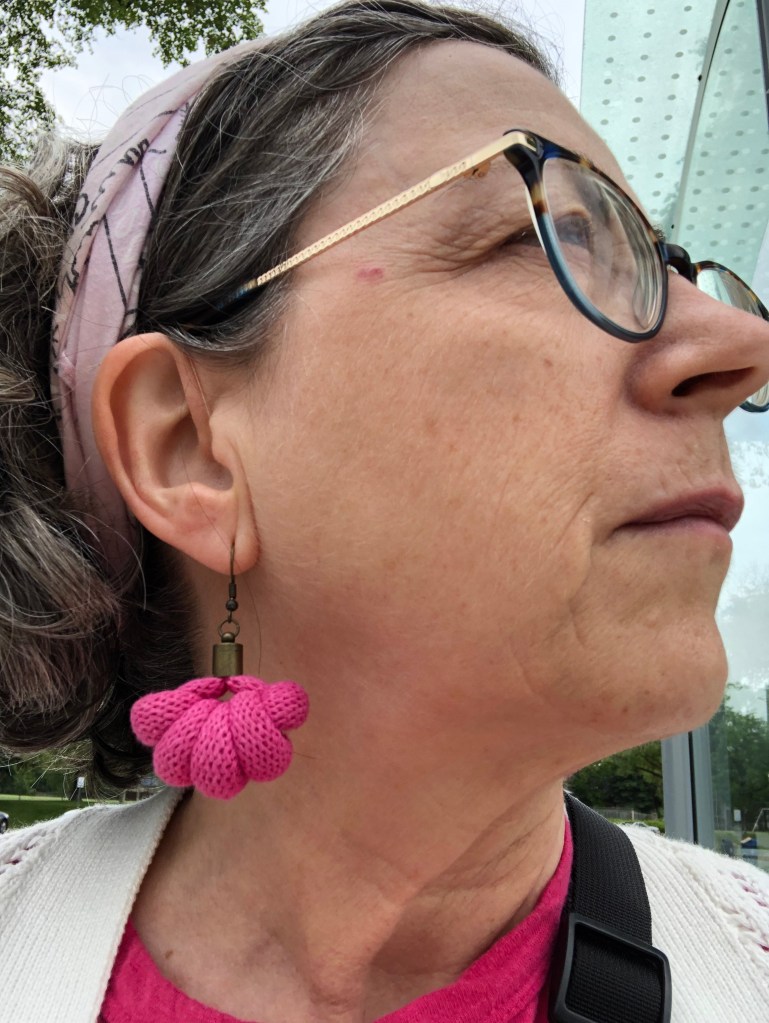
I’m finding a middle ground with my own label of hearing impaired. I generally don’t announce it to others unless I need accommodations, such as, a seat with a wall at my back in a restaurant. I think owning my label can be helpful when I come up against a social situation or an institution that is not organized for someone who can’t hear as well as most people. However, I am still developing my understanding of what it means to my sense of self to wear hearing aids, and to be hard of hearing. It’s my journey and my choice how I use my labels.
Do you find your labels to be helpful or do you avoid labelling yourself? Comment below.
*https://shows.cadence13.com/podcast/wcdht/episodes/88cf27f3-70f3-488d-b03c-89c3013d8992
**https://www.forbes.com/sites/forbescoachescouncil/2019/05/21/why-its-time-to-stop-labeling-ourselves-and-those-around-us/?sh=63dbe705433d
**https://www.forbes.com/sites/forbescoachescouncil/2019/05/21/why-its-time-to-stop-labeling-ourselves-and-those-around-us/?sh=63dbe705433d

 Retired, And Now What?