
It’s a lot harder to say NO these days. I used to have a ready excuse for not wanting to do something: “Sorry, I’m so busy with work.” It was a legitimate reason. I was often extremely busy and had difficulty balancing any added commitments. But if I’m honest, it was also a handy excuse. If I’d truly wanted to do something, I probably could have made time. The real reason for declining was that I didn’t want to do it.
As a retired person, how do I say no?
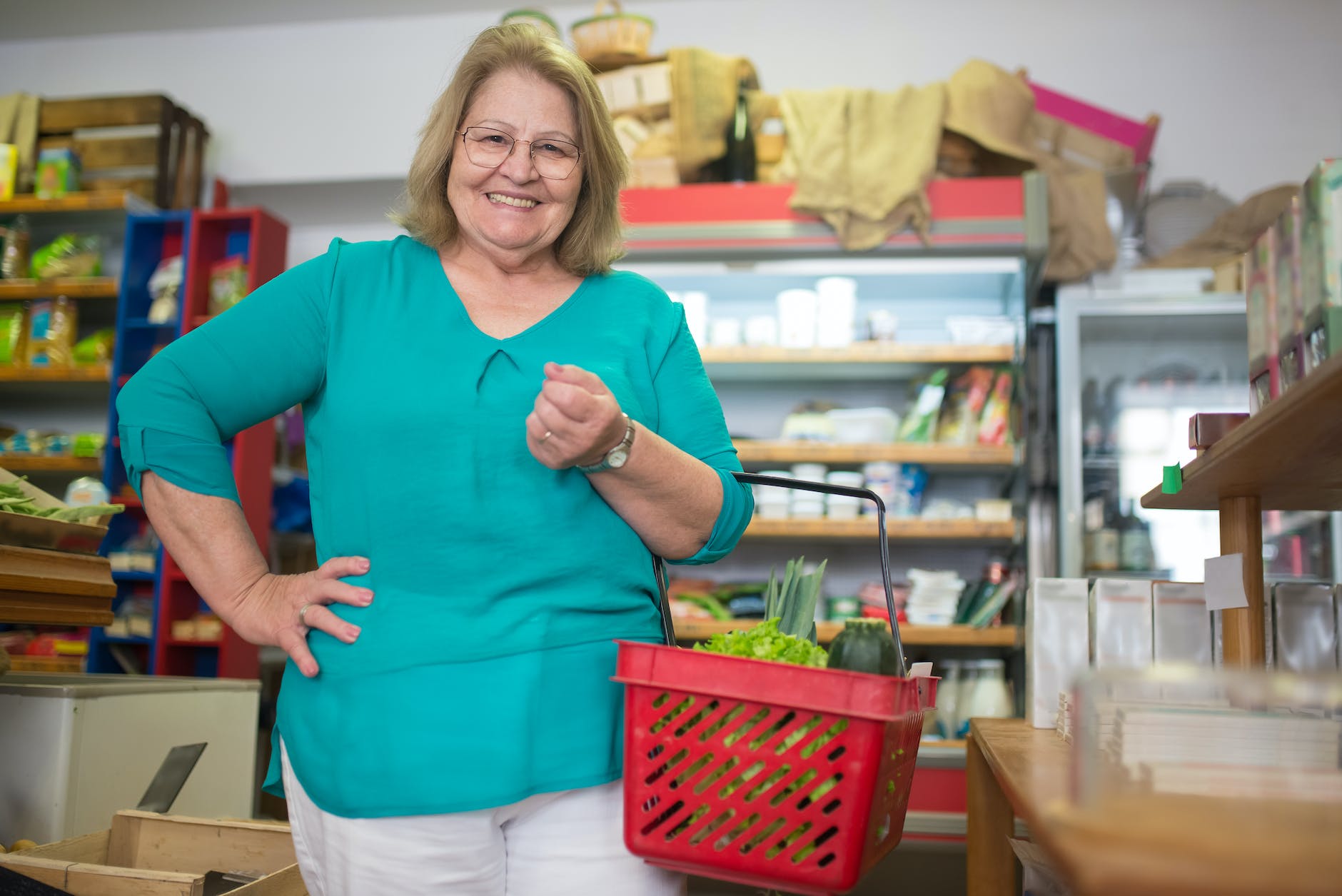
Saying no to things I don’t want to do is tough, and it’s tougher still when I don’t have that believable excuse anymore. Everyone knows that my schedule is flexible and not governed by the school day. They know that I don’t have the extra burden of planning, marking and reports to take up my evenings and weekends. I’m going to need to develop my “saying no” skills.
“Saying no is one of the best forms of self-care we can engage in,” Washington says. She notes that saying no supports us in:
- creating space in our schedules to rest and recharge
- engaging in activities that actually align with our current goals
- setting boundaries with loved ones and colleagues
Ultimately, saying no gives us greater navigation over our lives, says Anhalt. This grants us the opportunity to build a fulfilling, meaningful life on our own terms.”
Psych Central article, June 2021*
Why It’s Difficult

I find that it really depends on who I have to answer to: the closer I feel to the person, the harder it is for me to decline. There’s more guilt involved. It’s easy to say no to a person in a coffee shop, if they ask to use the spare chair but I’m saving it for my friend, who’s arriving shortly. It’s harder to decline a request from a dear one to be home to sign for a delivery, or to pick up the dry cleaning. I want to be helpful, but sometimes the request is in direct conflict with what I’m doing, or how I’m feeling that day.

Retired Folks Can Do It
Even retired people have the right to say no! Our time and mental health are just as important now, as they were when we were working. Here are three tips that I found for ways to say no, now that I’m retired:
- No. (It’s a complete sentence and doesn’t need an explanation.)**
- “Unfortunately, I’ll need to pass on this.”*
- “The sandwich method is an approach that involves sandwiching something that individuals may consider negative between two positives. Tell the person something positive followed by the no and end with something supportive or positive.”***
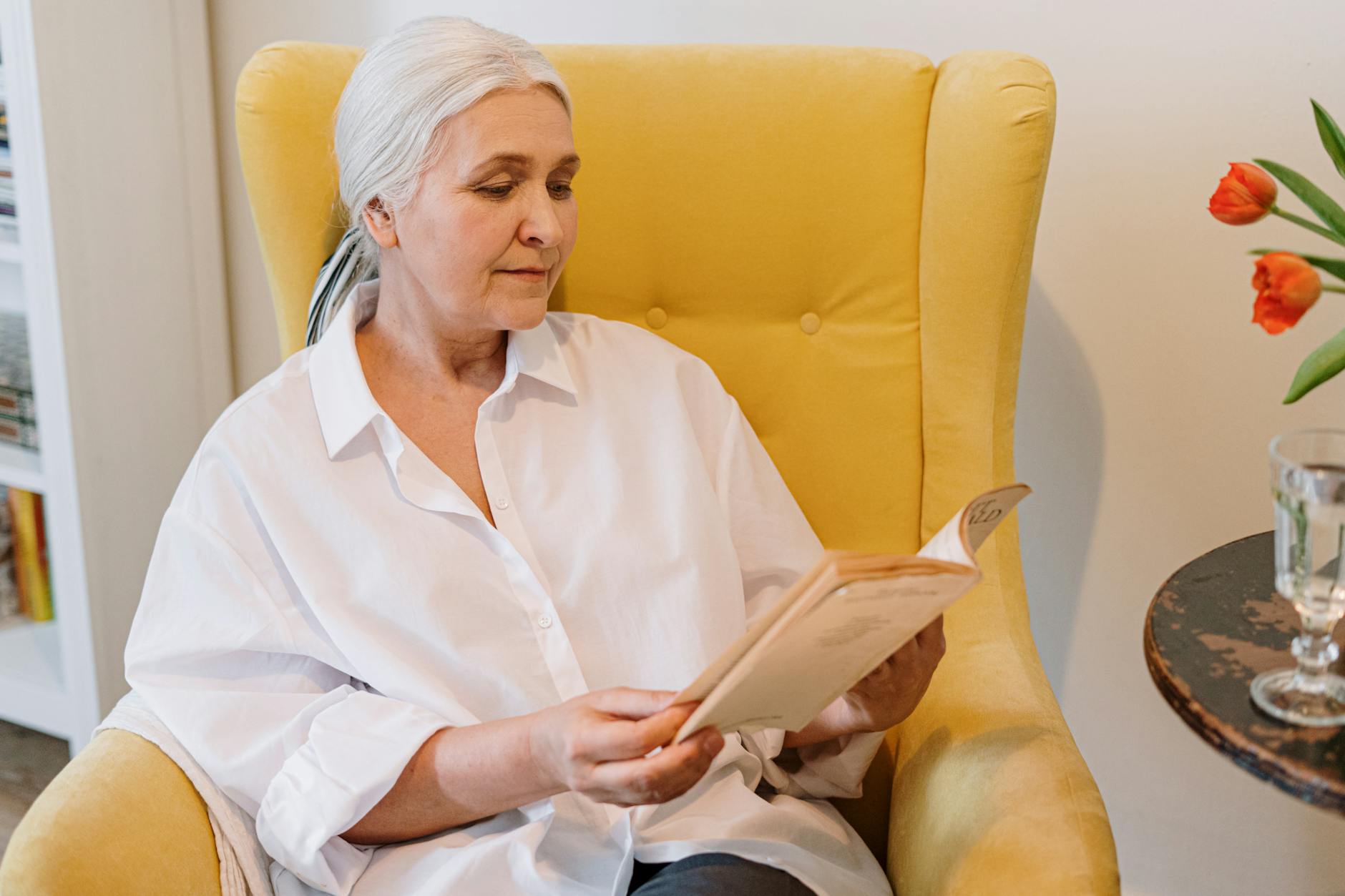
There are some days and situations when I don’t have the mental capacity to add more, and no is the kindest thing I can say for my health. Since recovering from workplace burnout, I have a clearer idea of my limits. I intend to protect my health with some new strategies now, because saying no is an essential skill, even for a retired person.
How do you say no? Comment below.
Please note: If you ever feel like you’re isolating yourself and generally withdrawing from others, it may be a sign of a mental health struggle that could use professional support. Take care of yourself.***
*https://psychcentral.com/lib/learning-to-say-no#no-is-the-new-yes
**https://www.betterup.com/blog/how-to-say-no
***https://www.psychologytoday.com/us/blog/mind-matters-from-menninger/202111/the-power-of-saying-no

 Retired, And Now What?