
I know that it’s not healthy to live with my cup at capacity all the time, with my nervous system fully activated. There are good reasons why I’ve ignored the overwhelm and continued to push through, such as supporting someone through illness, or teaching through a pandemic. However, when the immediate crisis was over and I had the opportunity to create space in my metaphorical cup, I struggled. I often looked for something else to fill it. It became a familiar and normal way to live.
Burnout Recovery
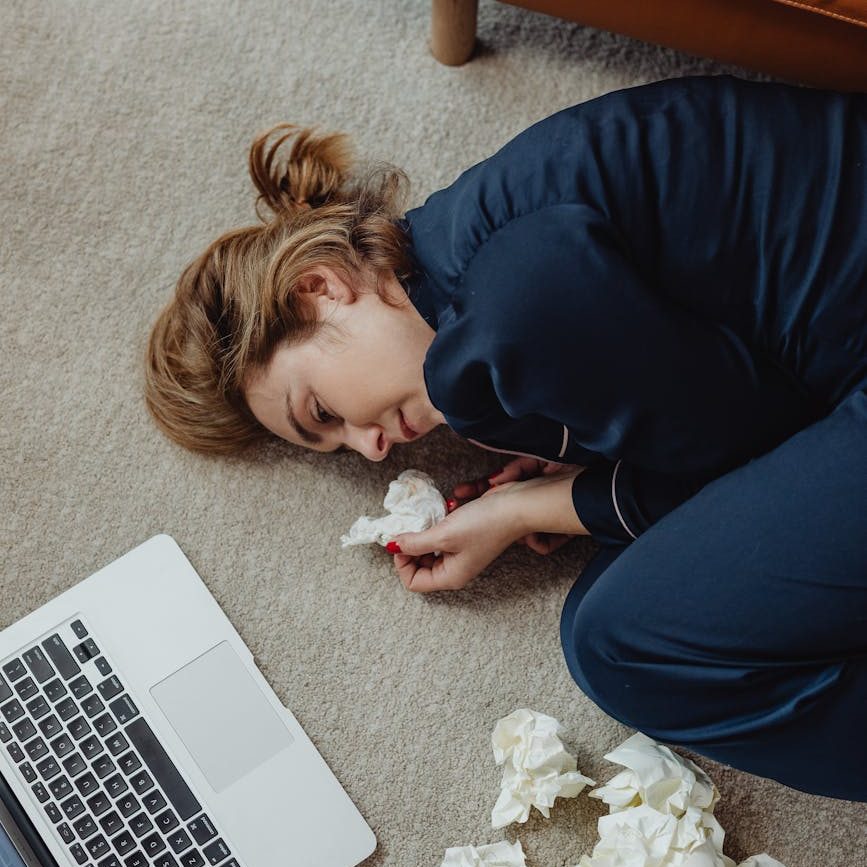
I burned out after teaching during the pandemic and luckily, I was able to retire. Without going into all the details here, it was obvious that I needed to heal. I gave myself permission to do that for a year. (I don’t know why I thought that was enough time to recover.) I lasted 6 months before I was itching to get started on something. Leaving space to breathe was too hard.

Easier To Return To Old Patterns After Retiring
It felt uncomfortable to leave room in my cup and not live in a state of overwhelm. The new feelings of boredom and the slow pace of life were unfamiliar. It was difficult to resist the urge to fill the space with new commitments and worries. Because my job was no longer there with a buffet of ways to create stress, I fed my worries with world news, and added courses and activities to my calendar.

When the immediate pressure was turned off by retiring, I couldn’t understand why I shouldn’t create new pressures and refill the space. It seemed so normal to live like that. As a newly retired person, I thought that if I chose the pressures, then I’d be in control and I wouldn’t burnout.
Considering The Purpose Of The Space
It had never even occurred to me to consider the purpose of leaving space in the cup. I saw it as a space for healing in and then refilling: a refillable coffee cup that should always be at capacity! But, I’ve come to realize that the space is a buffer in case of emergencies, to allow me to cope in the short term.
The Joyful Benefits Of the Space
Over time, I noticed that when it’s not filled to capacity, the space is for me to live in. It is the space of a calm nervous system with room for engaging with people authentically. It gives me space to absorb new learning. It’s for extending my creativity in new and exciting ways. It’s for reflecting and thinking, and it’s for being bored.
The Laziness Judgement
Even though I want all those things for myself, I still experience discomfort when I leave space because it feels like I’m not living up to my potential, like I’m not producing enough. That’s a difficult belief to re-think. I’ve been trained all my life to do the most I can. It’s deeply tied to my feelings of worth. When I don’t do the most I can, I judge myself as being lazy.
Space Worth Striving For
However, when I take the time to reflect I realize that life has taught me some lessons that reveal this belief to be false. I have experienced debilitating burnout. I know that I don’t want to go there again, if I have a choice. And, I do have a choice now.
Leaving some space in my cup is a choice that allows me to be calmer, more content, and less reactive. I want this for myself. This is not laziness! However, I need constant reminders that I’ve given myself permission to do less. I expect I will be working on this for a long time to come. After all, I’ve had decades of living with my cup at capacity.

 Retired, And Now What?
Leaving space definitely goes against the grain for many people who spent their lives chasing achievement. It’s a mindset shift. I’m still busy but I love that I now have more time for reading, prayer, and exercise. Those are things I always felt rushed to do when I was working.
LikeLike